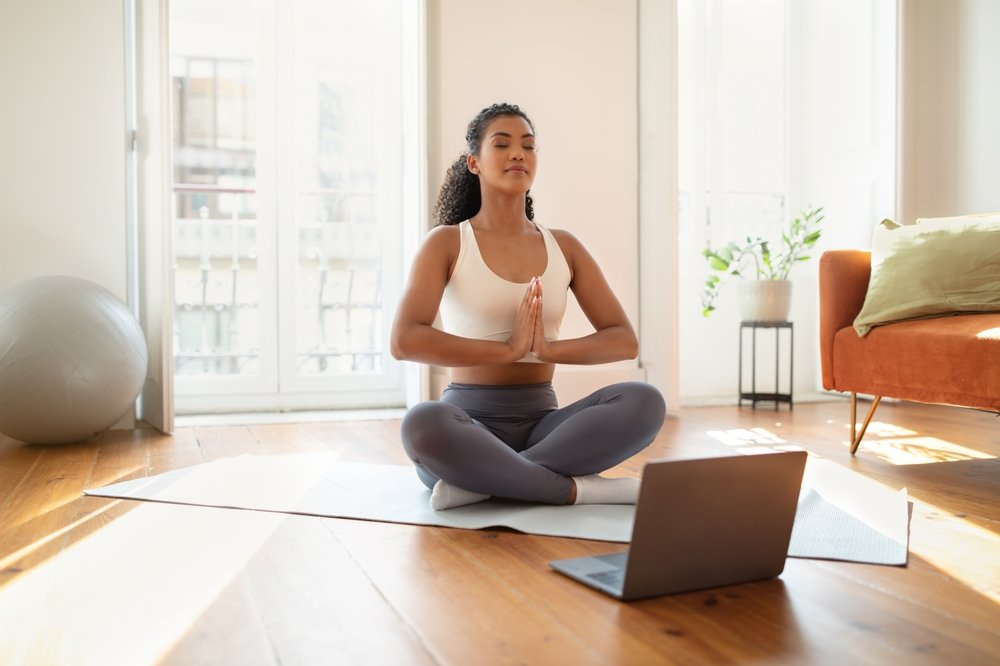
Virtual Yoga Communities in Bali: Can Online Sanghas Replace Real Ones?
Hello, beautiful souls! We are glad to be with you there on the mat and on the page today.
We can only imagine that as a long time ago, today. As longtime practitioners and teachers at Maa Shakti Yog Bali, our hearts fill up when we consider how many individuals have found the power of yoga transformational over the last several years. Through our experience in yoga training Bali, we have witnessed people from different parts of the world come together to explore yoga not only as a physical practice but as a deep personal journey.
The digital era, particularly with recent developments around the world, has created a space where someone can attend a yoga class as easily as opening their laptop. This accessibility has led to the rise of strong and energetic online yoga communities, what we often refer to as online sanghas.
It raises an important question, one we hear nearly every week from students and practitioners involved in yoga training Bali. Can online sanghas truly become a meaningful substitute for the long-established, vibrant connections that are formed through an in-person yoga practice?
This is more than just a logistical question about convenience or location. It touches the very heart and soul of yoga practice. So let’s pause for a moment, maybe with a warm cup of tea or a refreshing glass of water, and explore the landscape of modern yoga communities—both the depth of the virtual world and the unique magic of practicing together in a real, physical space.
The Official Online Yoga Movement.
The transition to online yoga has been a groundbreaking one? In the past, your practice was geography-gated. Now? The world is your studio! The motives of such a boom are groundbreaking. A boom in the online yoga classes is firmly entrenched in the aspects of convenience and need.
1. Connection and Availability
Accessibility is the greatest advantage of the digital sangha. To people in the country, those with mobility issues or those who have time constraints, parents with very busy schedules, or those people who cannot predict their work timetables, the physical studio was usually inaccessible.
- Yoga Anywhere: You can unfold your mat and treat yourself to 30 minutes of summer morning yoga before the children rise up, or find a yoga session that will relieve stress just after a strenuous meeting. It does not require a commute, there is no traffic, and there is no need to organize difficult schedules. This renders a regular (daily) practice of morning yoga very achievable.
- Safe Space for the Beginner: Walking to a crowded studio may be something to fear as a new student. Online yoga for beginners provides a non-judgmental, intimate experience of learning the fundamentals, knowing the basic yoga poses to achieve flexibility, and gaining confidence before even leaving their home to come to a real-world yoga class. They get to take a break, play it over again, and learn to do a soft flow of yoga at their speed.
2. Unlimited Diversity and Differentiation
The internet serves as a large repository, giving unbelievable flexibility in yoga styles and professional teachers.
- Vast options to choose from: You can no longer be restricted to the three studios within your neighborhood. One day, you can do a challenging and deep Ashtanga yoga session with a globally known instructor, and a refreshing, restorative virtual yoga session the following day.
- Voluminous classes: Moreover, the virtual world is responsive to very specific needs. In a small city, it may be hard to find a local prenatal yoga class or a niche specialized yoga class that is restorative, such as yoga for athletes; however, online, those specialized classes are voluminous. This availability of international expertise is a fact that should not be overstated.
- Exceeding geographical boundaries: Even online yoga teacher training has become a legal and good course for athletes and for those who want to go further with their practice without necessarily having a geographical boundary to study and be mentored.
The Nonreplaceable Practice without the Nonreplaceable Nature of the In-Person Sangha.
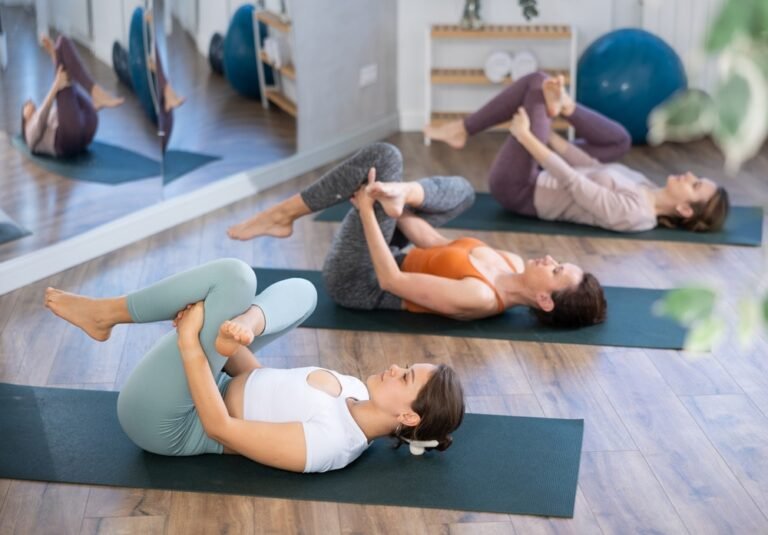
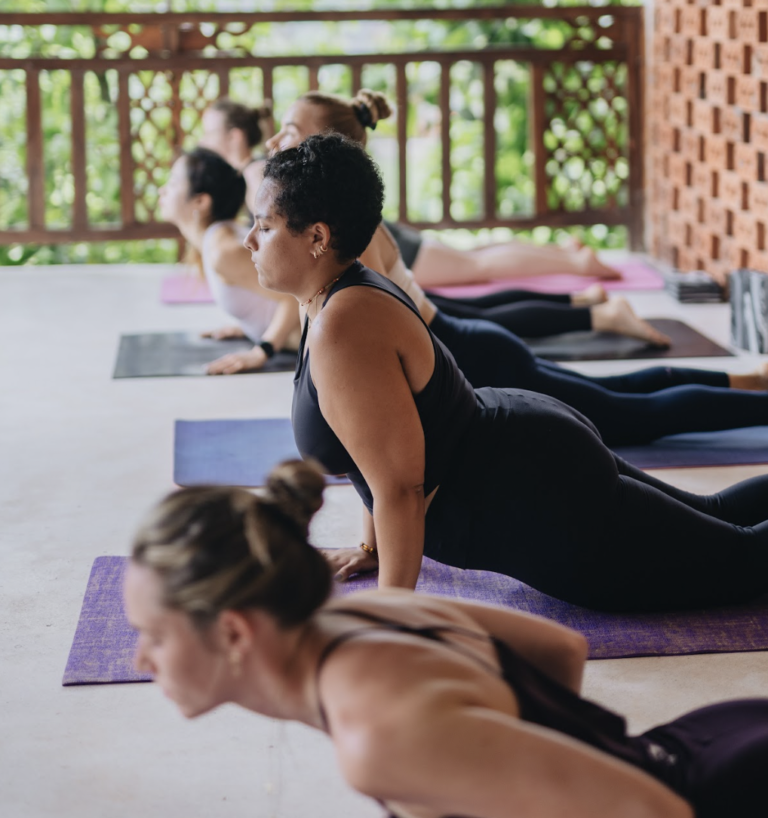
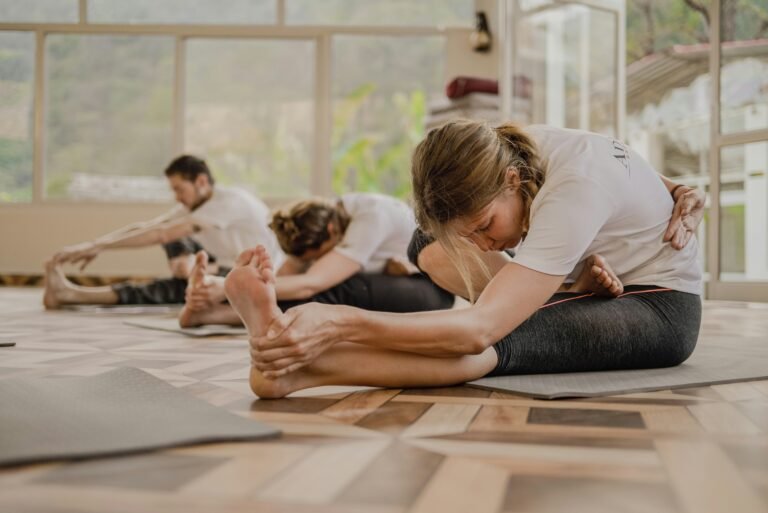
The magical power of the physical studio has not been equaled by the wonders of the virtual world, even though this is unbelievable. Inquire with any seasoned yogi, and he or she will respond that nothing can match the magic of the physical studio. The very word “sangha syogi,” or “sangha,” suggests a deep collective experience, and it is in the bodily presence where some of the aspects of yoga really blossom.
1. Active Resonance and Shared Attention
When you sit down with a group of people and all of them are concentrating on their breath and movement, a strong palpable energy is formed—a thin person formed—the group energy.
- The Nineteenth Support: You get lifted in a studio by the energy that surrounds you. One of the days when you have a low level of motivation, the Ujjayi breath combined with 15 people breathing jointly can ground you and help you to overcome a difficult sequence. This is a dynamic loop of feedback, which a screen cannot convey.
- Expanding the Practice: Mindfulness is a different experience in person. Freed from household distractions, your focus sharpens, and that is the essence of yoga philosophy. It’s the same reason a 200-hour yoga teacher training course is most transformative when practiced in shared physical space — the group energy, teacher observation, and embodied environment accelerate growth.
2. One-on-One Care and Support
Also Read: Yoga: A Journey Across Continents and Centuries
This is, perhaps, the most essential dissimilarity in learning perspective.
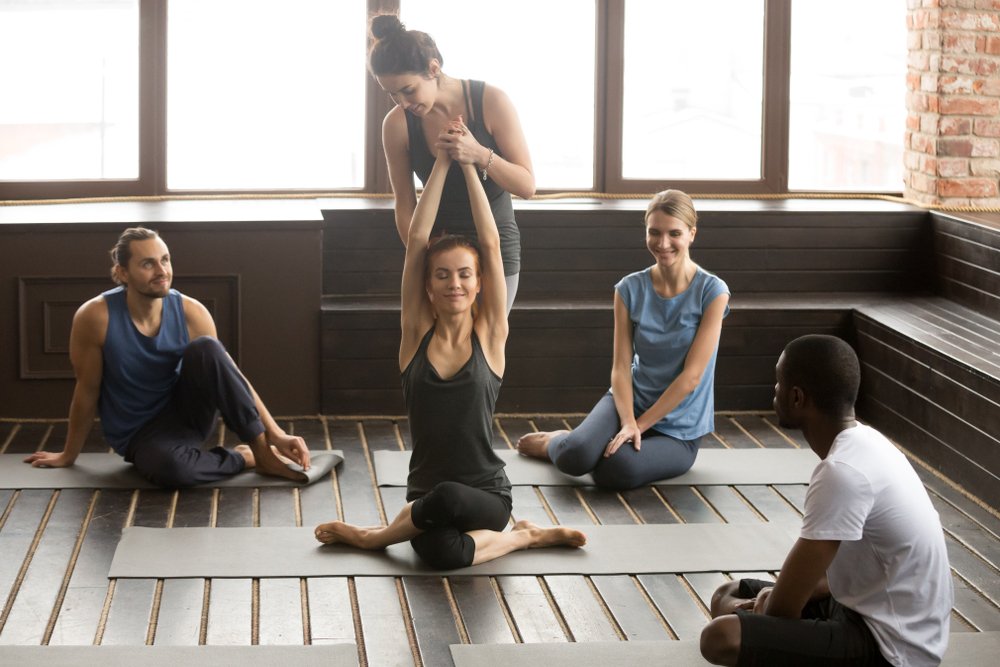
- The Teacher Eye: No matter how well you have zoomed, there is still nothing like a teacher walking around the room and noting the nuances of your body position. They are able to detect inappropriate yoga posture, which may cause injury (such as a hip rolling out in Warrior 2 or rounding in a forward bend), and provide instant and subtle verbal feedback.
- Hands-On Adjustments: Not all students are fond of them (bend them), but an experienced hands-on adjustment is a highly effective learning tool. A hug can provide you with deep insights into a posture that allows you to reach a depth or steadiness that you would not have reached by yourself. This is the level of individual feedback that is important to a safe yoga practice and mastering of such challenging poses.
3. Expanding the Real-Life Community
The social part of the studio is also normally not emphasized but is crucial to our personal well-being.
- Spontaneous Connection: The most valuable connections usually occur off the mat. The communal laugh when you all get wobbly in balancing, the conversation during the mat roll-up, and the post-roll-up coffee run—those are the little, informal things that make you feel like you belong and result in end-time yoga friends.
- A Third Space: A studio serves as a third space, between the home and work, a self-care and community space. It is the kind of place where people know your name and know that injury you had, and they actually care about you. It is the purest form of sangha, this local and authentic yoga class experience.
The Finding: It Is and Should Be Integration, Not Substitution.
These bring me to the big question: Is the online sangha able to substitute the real sangha?
The answer to this, as far as we are concerned, is no, they cannot substitute each other.
However, the thrilling thing is this: They do not need to! The future of the yoga community is not a matter of either of the two replacing each other, but a matter of integration and choice.
Locating Your Ideal Hybrid Practice.
Think of it like this:
Also Read: The Science of Auras and How Yoga Affects Your Energetic Field
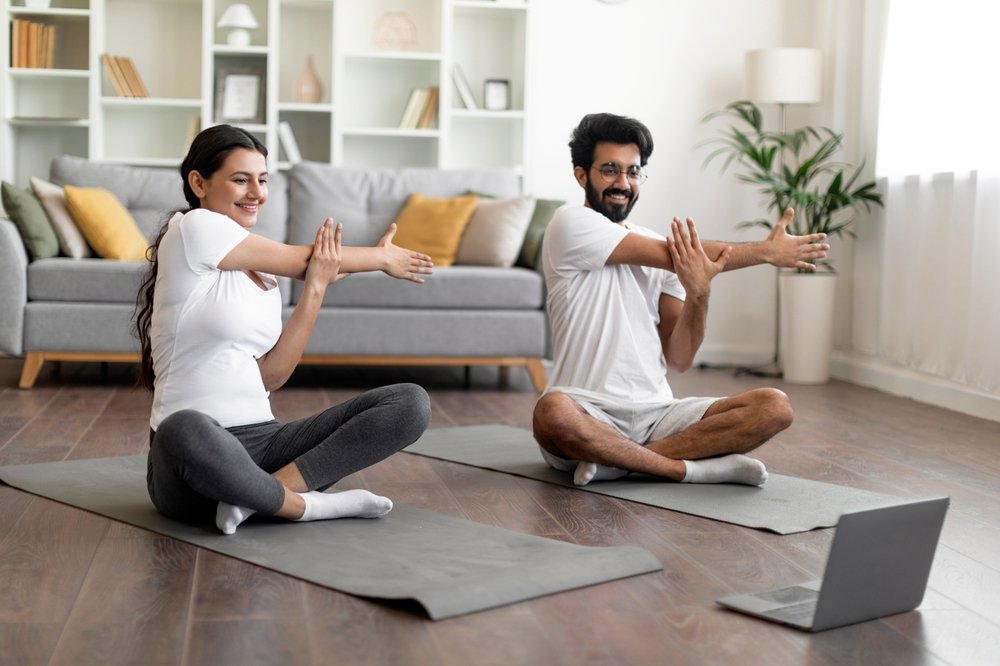
- Your Practice is Your Home: Take advantage of your online yoga subscription to be more consistent, flexible, and versatile. It is best to use in your everyday yoga work, in finding new forms of yoga such as power yoga on the internet, or in those times when you feel like having a quick meditation session before going to sleep. It is able to keep the engine running well.
- Your Practice in the Physical World is Your Immersion: Grow, have feedback, and connect with your local studio or on the yoga retreats and workshops. Go when you should work on the proper yoga alignment, when you desire the power of the group, and when you require that true human touch and that feeling of belongingness. This is where you put yourself through the test and build your yoga buddies.
We have very much time to be lucky and to choose two ways. We are in a position to fashion our own yoga experience to the adaptability of our contemporary existence without compromising on the richness and custom of the practice. It is only to be aware of what you are looking at at that particular time.
So, however you are in a crowded room or sitting in your own living room, the most crucial connection that you will have is the one that you establish with your own breath and body. Both the real and the virtual sanghas are nothing but beguiling vessels to carry that holy practice.
What is your online-in-person practice ratio? What has been the best experience of your online yoga company? Write your experience down in the comments section!