
100 Hour Yoga Teacher Training in Bali
Unlock your potential in Ubud, Bali with our Yoga Alliance certified programs.



Course Overview
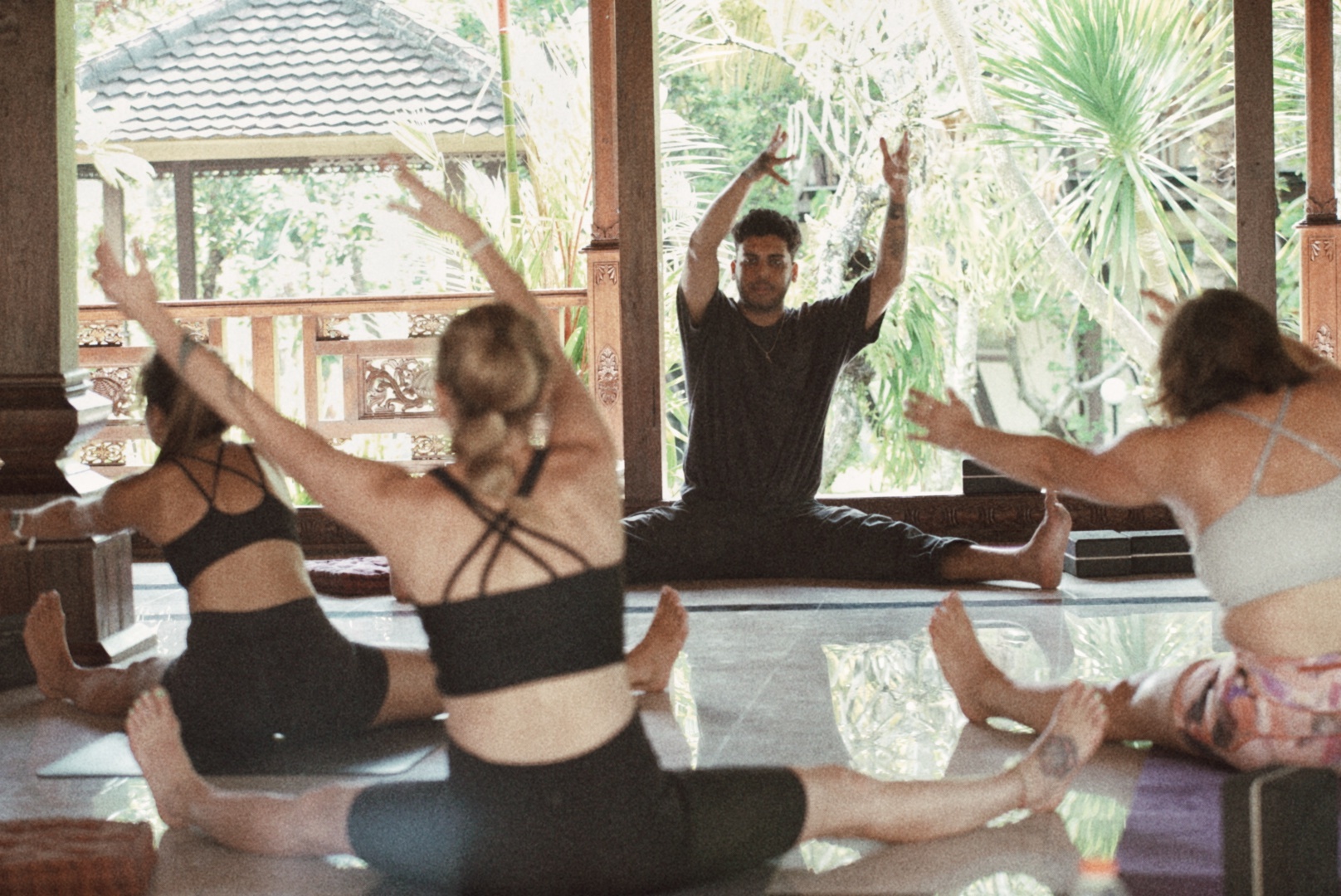
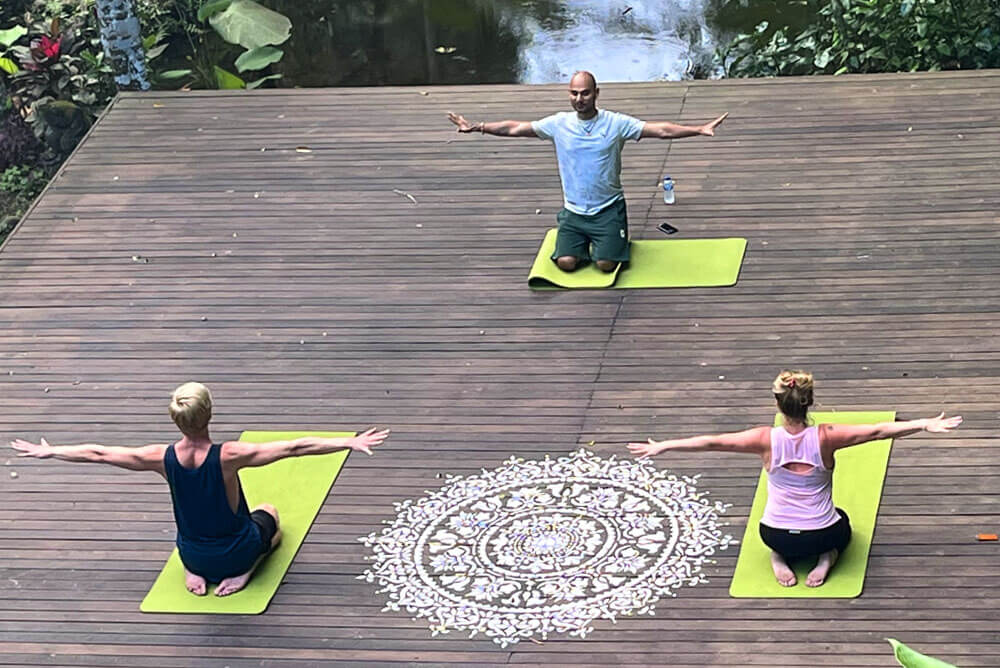
If you're looking for a 100 hour yoga teacher training in Bali, Maa Shakti Yog offers a yoga course that is suitable for beginners. The 100 Hours Yoga TTC can be completed in just 10 days, making it perfect for those with busy schedules. During the course, you will have the opportunity to explore the depth of yoga under the guidance of experienced and well-qualified yoga teachers.
Despite the short duration of the course, the 100 hour yoga teacher training in bali covers all the important details and fundamentals of yoga. The yoga classes start early in the morning and continue throughout the day with breaks for yogic food and rest.
One of the most interesting things about 100 hour yoga teacher training is that you can switch to the 200 hour yoga teacher training at any time. If you initially enroll in the 100 hour yoga TTC and decide later to continue your training, you can join the 200 Hour Yoga TTC after completing the initial 100 hours. With Maa Shakti Yog, you can make your journey of yoga teacher training a seamless and rewarding experience.
Upcoming Course Dates & Fees
Reserve your seat on any one of our available dates.
Course Syllabus
Asana is a Sanskrit word that means, "Yogic Postures or Movements". Traditionally defines, asana means "Comfortable Seat", which means, it is a seated posture used in meditation.
Yoga poses that you will learn in 100 hour yoga ttc.
- Tadasana (Mountain Pose)
- Trikonasana (Triangle Pose)
- Virabhadrasana I (Warrior I Pose)
- Virabhadrasana II (Warrior II Pose)
- Parsvakonasana (Side Angle Pose)
- Prasarita Padottanasana (Wide-Legged Forward Bend)
- Uttanasana (Standing Forward Bend)
- Adho Mukha Svanasana (Downward-Facing Dog)
- Balasana (Child's Pose)
- Bhujangasana (Cobra Pose)
- Dhanurasana (Bow Pose)
- Setu Bandha Sarvangasana (Bridge Pose)
- Salabhasana (Locust Pose)
- Ustrasana (Camel Pose)
- Paschimottanasana (Seated Forward Bend)
Pranayama, also known as breathing exercise is the foundation of yoga practice. "Prana" means breath and "Ayama" means to control; on combined, "Pranayama" means "to control or hold the breath".
The pranayama syllabus for a 100 hour yoga teacher training in bali typically covers the following techniques and concepts:
- Introduction to Pranayama- meaning, benefits, and precautions
- Anatomy of Breathing- understanding the respiratory system and diaphragmatic breathing
- Nadi Shodhana Pranayama (Alternate Nostril Breathing)- techniques and variations
- Kapalabhati Pranayama (Skull Shining Breathing)- techniques and variations
- Ujjayi Pranayama (Victorious Breath)- techniques and variations
- Bhramari Pranayama (Bee Breath)- techniques and variations
- Sheetali Pranayama (Cooling Breath)- techniques and variations
- Sheetkari Pranayama (Hissing Breath)- techniques and variations
- Bandhas (Energy Locks)- understanding the three bandhas and their benefits
- Mudras (Gestures)- understanding the importance of mudras in pranayama practice and their benefits.
Observing your deep breaths which facilitate to still your mind for a few minutes, where it is away from all the unnecessary aspects; this is meditation. There are mainly 4 types of meditation styles you'll focus on, i.e., Traditional Himalayan Meditation, Healing Meditation, Crystal Meditation, and Sound Meditation.
The meditation syllabus for a 100 hour yoga teacher training typically covers the following :
- Introduction to meditation and its benefits
- Types of meditation: concentration, mindfulness, loving-kindness, etc.
- Techniques of meditation: breath awareness, body scan, visualization, mantra, etc.
- Practice of meditation: sitting, walking, standing, lying down, etc.
- Obstacles in meditation and ways to overcome them
- Creating a personal meditation practice
- Teaching meditation to others: communication, instruction, sequencing, etc.
- Incorporating meditation into yoga classes
- Meditation in daily life: developing mindfulness, stress reduction, emotional balance, etc.
Chanting the powerful, spiritual mantras helps in the union of the body with the mind. It will surely give you a deeply philosophical experience.
The mantra chanting syllabus for a 100 hour yoga teacher training typically covers the following :
-
Introduction to Mantra Chanting: Understanding the significance of mantra chanting in yoga, the benefits, and how it can be used as a tool for relaxation and meditation.
-
Basics of Sanskrit Language: Introduction to the Sanskrit language, learning the pronunciation of Sanskrit alphabets and basic vocabulary.
-
Basic Mantras: Learning simple mantras such as 'Om' and 'Shanti' and their meaning and significance in yoga.
-
Mantras for Meditation: Learning mantras for meditation such as 'Gayatri Mantra', 'Mahamrityunjaya Mantra', 'Om Namah Shivaya' and more.
-
Bhakti Yoga: Understanding the devotional aspect of yoga, and how mantra chanting can be used as a tool for spiritual growth.
-
Group Chanting: Practicing mantra chanting in a group, understanding the power of collective vibrations and how it can enhance the benefits of mantra chanting.
-
Mantra Therapy: Understanding the therapeutic aspect of mantra chanting, how it can be used to alleviate physical, mental and emotional ailments.
-
Integrating Mantra Chanting in Yoga Classes: Learning how to integrate mantra chanting in yoga classes as a teacher, and how to make it an integral part of yoga practice.
Anatomy deals with the bodily structure of an individual and how to protect from injuries. In the yoga teacher training classes, they conduct the theoretical class of Anatomy too.
The Anatomy and Physiology syllabus for a 100-hour yoga teacher training program includes the following topics:
- Introduction to human anatomy and physiology
- The skeletal system and its importance in yoga practice
- The muscular system and its importance in yoga practice
- The respiratory system and its importance in pranayama
- The nervous system and its importance in meditation and yoga practice
- The circulatory system and its importance in yoga practice
- The digestive system and its importance in yoga practice and diet
- Common injuries and precautions in yoga practice
- Modifications and adjustments for different body types and physical conditions
The aim of this syllabus is to provide an understanding of how the human body works and how it relates to yoga practice. This knowledge can help yoga teachers to teach their students safely and effectively, and to make modifications and adjustments as necessary to meet the individual needs of their students.
The yoga teacher training courses focus on body alignments, which means doing poses or asanas in an effortless state of body, according to the body composition of an individual. Alignments are very significant to understand any style of yoga practice.
The Alignment and Adjustment syllabus for a 100-hour yoga teacher training program includes the following topics:
- Introduction to Alignment and Adjustment
- Understanding the importance of proper alignment and adjustment in yoga practice
- Principles and benefits of alignment and adjustment
- Basic Yoga Asanas and Their Alignments
- Key alignment cues for foundational yoga poses, such as Tadasana, Downward-Facing Dog, Warrior I and II, and Tree Pose
- Hands-on adjustments for these poses
- Common Misalignments and Injuries in Yoga
- Understanding common mistakes and misalignments in yoga poses
- Identifying and preventing potential injuries
- Adjusting and Assisting Students in Yoga Practice
- Verbal and hands-on adjustments for different body types and levels of practice
- Developing sensitivity and intuition in adjusting and assisting students
- Ethics of Touch and Adjustments in Yoga
- Understanding boundaries and consent in yoga adjustments
- Creating a safe and supportive environment for students
- Advanced Asanas and Adjustments
- Introduction to more challenging yoga poses, such as inversions, arm balances, and backbends
- Advanced adjustment techniques for these poses
- Sequencing and Teaching with Alignment and Adjustment
- Incorporating alignment and adjustment principles into yoga class sequencing
- Developing the skills to teach and adjust students with confidence
- Practice Teaching and Feedback
- Practice teaching with a focus on alignment and adjustment
- Receiving constructive feedback from teachers and peers
- Review and Integration
- Reviewing key alignment and adjustment principles and techniques
- Integrating alignment and adjustment into personal practice and teaching.
Philosophy here means Yoga Philosophy which includes the systemic study of the body, mind, and spirit of an individual.
The philosophy syllabus for a 100-hour yoga teacher training program includes the following topics:
- Introduction to yoga philosophy and its relevance to modern life
- Study of Patanjali's Yoga Sutras and its interpretation
- Exploration of the Eight Limbs of Yoga and their practical applications in daily life
- Introduction to the Bhagavad Gita and its teachings
- Study of the three Gunas and their impact on human behavior
- Understanding of the concept of Karma and its relevance to life
- Introduction to Ayurveda and its connection to yoga philosophy
- Exploration of the chakra system and its relationship with yoga practice
- Understanding of the concept of Dharma and its application in daily life
- Study of different yoga traditions and their philosophical underpinnings.
Yoga Mudras means "gesture" that facilitates the flow of energy in the body of an individual. Treating under the heading of Yoga Mudras, Bandhas is body locks in yoga.
The Mudra and Bandhas syllabus for a 100-hour yoga teacher training program includes the following topics:
- Introduction to Mudras and Bandhas
- Types of Mudras: Hand Mudras, Head Mudras, Postural Mudras, Lock Mudras, and Perineal Mudras
- Benefits of Mudras and Bandhas
- Application of Mudras and Bandhas in Asana, Pranayama, and Meditation practices
- Basic Anatomy and Physiology of Mudras and Bandhas
- Techniques of performing Mudras and Bandhas
- Precautions and Contraindications
- Teaching methodology for Mudras and Bandhas
- Practice teaching of Mudras and Bandhas
- Integration of Mudras and Bandhas in yoga sequences
Shatkarmas is basically the six purification techniques that aim to clean the body, free from all diseases. More than this, it improves the flow of prana into the organs of the body.
The Shatkarmas syllabus for a 100-hour yoga teacher training program includes the following topics:
- Neti (nasal cleansing): Jala neti, Sutra neti
- Dhauti (cleansing of digestive tract): Vastra dhauti
- Nauli (abdominal massage): Madhyama nauli, Vama nauli, Daksina nauli
- Basti (colon cleansing): Jala basti, Sthala basti
- Kapalabhati (breathing exercise): Bhastrika, Kapalabhati
- Trataka (meditative gazing): Candle flame trataka, Black dot trataka
During the Shatkarmas portion of the yoga teacher training, students can learn the techniques, practice them, and also learn about the benefits, contraindications, and precautions. It is also important to learn about the traditional context and cultural significance of these practices.
Teaching methodology in the yoga courses specifically aim in providing a nurturing environment to students, making lesson plans, setting class environment, and conducting classes regarding various yogic practices for gaining enough confidence and awareness on building a good student-teacher relationship.
The Teaching methodology syllabus for a 100-hour yoga teacher training program includes the following topics:
-
Teaching skills:This includes techniques for effective communication, how to give clear instructions, how to use voice and body language, how to create a positive and supportive environment, and how to manage different types of students.
-
Lesson planning:This includes how to plan and sequence a yoga class, how to choose appropriate asanas, pranayama, and meditation practices, how to modify the class for different levels of students, and how to create a safe and balanced class.
-
Teaching practice:This includes opportunities for participants to practice teaching and receiving feedback from the trainers and other participants.
-
Ethics and professionalism:This includes understanding the ethical principles of yoga teaching, creating professional boundaries, maintaining student confidentiality, and creating a safe and inclusive environment for all students.
-
Business skills:This includes basic business skills such as marketing, branding, and how to create and maintain a successful yoga teaching career.
-
Adjustments and modifications:This includes understanding how to make adjustments and modifications to the asanas for different levels of students and how to use props and modifications to make the class safe and accessible to all.
-
Classroom management:This includes understanding how to manage the class and how to create a positive and supportive environment for all students.
Overall, the teaching methodology syllabus aims to help participants develop the skills and knowledge needed to become effective and confident yoga teachers.
Daily Schedule
| Timing | Activity |
|---|---|
| 06:30 - 07:30 | Pranayama & Meditation |
| 08:00 - 09:30 | Asana (Hatha, Iyengar and Alignment intro) |
| 09:30 - 10:00 | Breakfast |
| 11:00 - 13:00 | Teaching Methodology, Anatomy, Alignment |
| 13:00 - 14:00 | Lunch Break |
| 14:00 - 15:30 | Rest or Self study |
| 15:30 - 16:30 | Philosophy (History of Yoga, Yog Darshan) |
| 16:30 - 18:00 | Asana (Vinyasa and Flow) |
| 18:10 - 18:30 | Yog Nidra and Sound Healing |
| 19:00 | Dinner |
Accommodation & Food
Accommodation
- Arrival: 1st of Month
- Check-out: 10th of Month
- Yogic Food: 3 organic vegetarian/Sattvic meals daily
Schedule Policy
- Sunday: Off (rest and self-study day)
- Saturday: Half day class & half day excursion
What's Included
Not Included
Accommodation, Food, Excursions & Certification














Accommodation and Facilities
Our yoga school in Ubud is situated amidst breathtaking natural scenery and an artistic ambiance that will invigorate your senses. The accommodations are designed to offer you the utmost comfort and relaxation, equipped with ensuite bathrooms, a working desk, a sofa, and private balconies overlooking the lush tropical gardens.
To suit your preferences, we offer Private Rooms for those seeking personal space, and Twin Shared Rooms for a collaborative community experience. The school features a spacious lounge to connect with fellow yogis, a large swimming pool to refresh after daily practice, and a rich Balinese layout designed to help you relax properly and immerse yourself in the thriving atmosphere of Ubud, Bali.
Healthy Sattvic Food
"When the diet is wrong, medicine is of no use. When the diet is correct, medicine is of no need." — Ayurvedic Proverb
We believe that a healthy diet is an essential component of any yoga teacher training. As an Ayurveda-inspired yoga center, we prioritize nourishing your body with delicious, all-vegetarian meals cooked fresh daily using seasonal vegetables, fresh fruits, and cleansing juices.
Meals are carefully planned and prepared following traditional Ayurvedic principles to optimize energy levels, digestion, and focus during your course. Vegan, gluten-free, and other specific dietary options are happily provided upon request.
Included Meals
- Breakfast
- Lunch
- Dinner
- Drinks
Included Drinks
- Purified Water
- Coffee & Herbal Tea
- Fresh Detox Juices


Outdoor Excursions
Explore the rich spiritual culture of Bali and build lifelong friendships. Our teacher training and retreat programs include organized Saturday excursions to explore Ubud's natural wonders, temples, and beaches with your fellow yogis:

Bali Swing Park
Ubud, Bali

Pura Tirta Empul
Tampaksiring, Bali

Blue Lagoon Beach
Padangbai, Bali

Waterfall
Ubud, Bali
Certification & 5000+ Certified Graduates
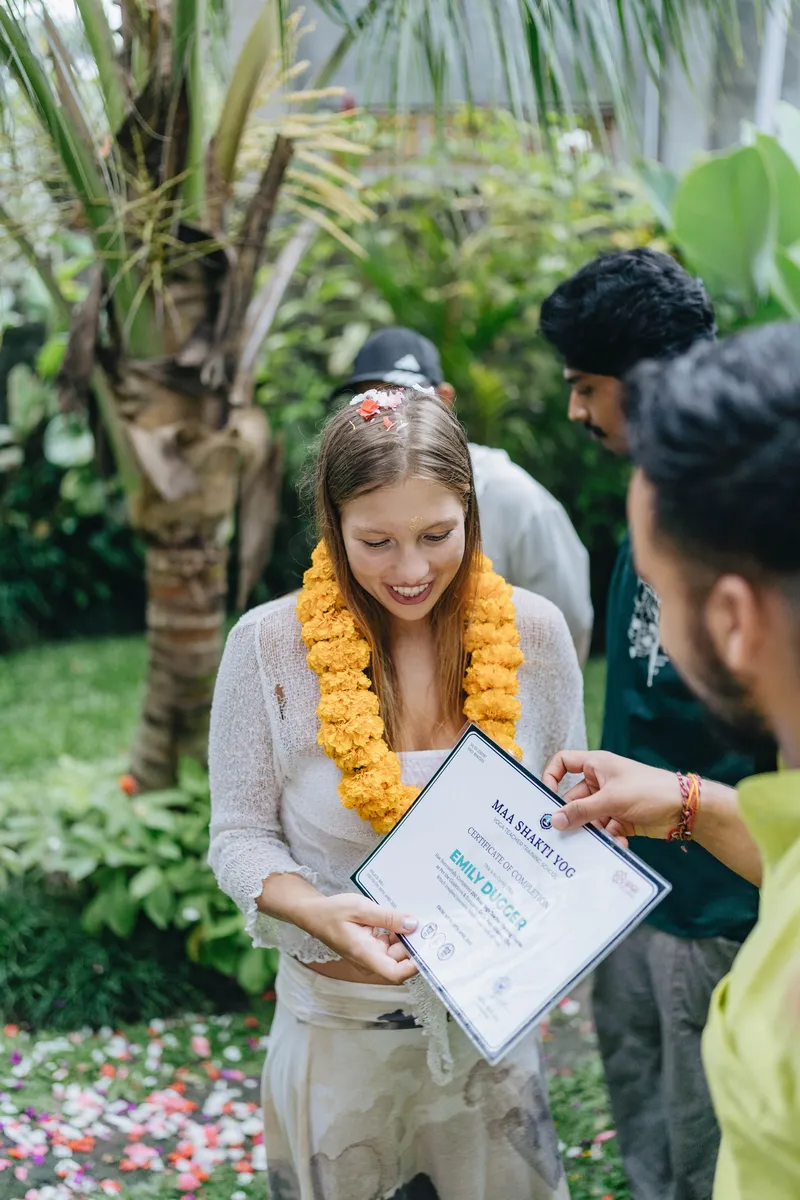
Join a thriving global family of over 5,000+ certified yoga teachers who graduated from Maa Shakti Yog. Upon successful completion of your course, you will receive an internationally accredited Yoga Alliance certificate in a traditional Balinese blessing ceremony:



Meet Your Lead Instructors
Learn directly under certified Himalayan yogis and dedicated masters in Bali.
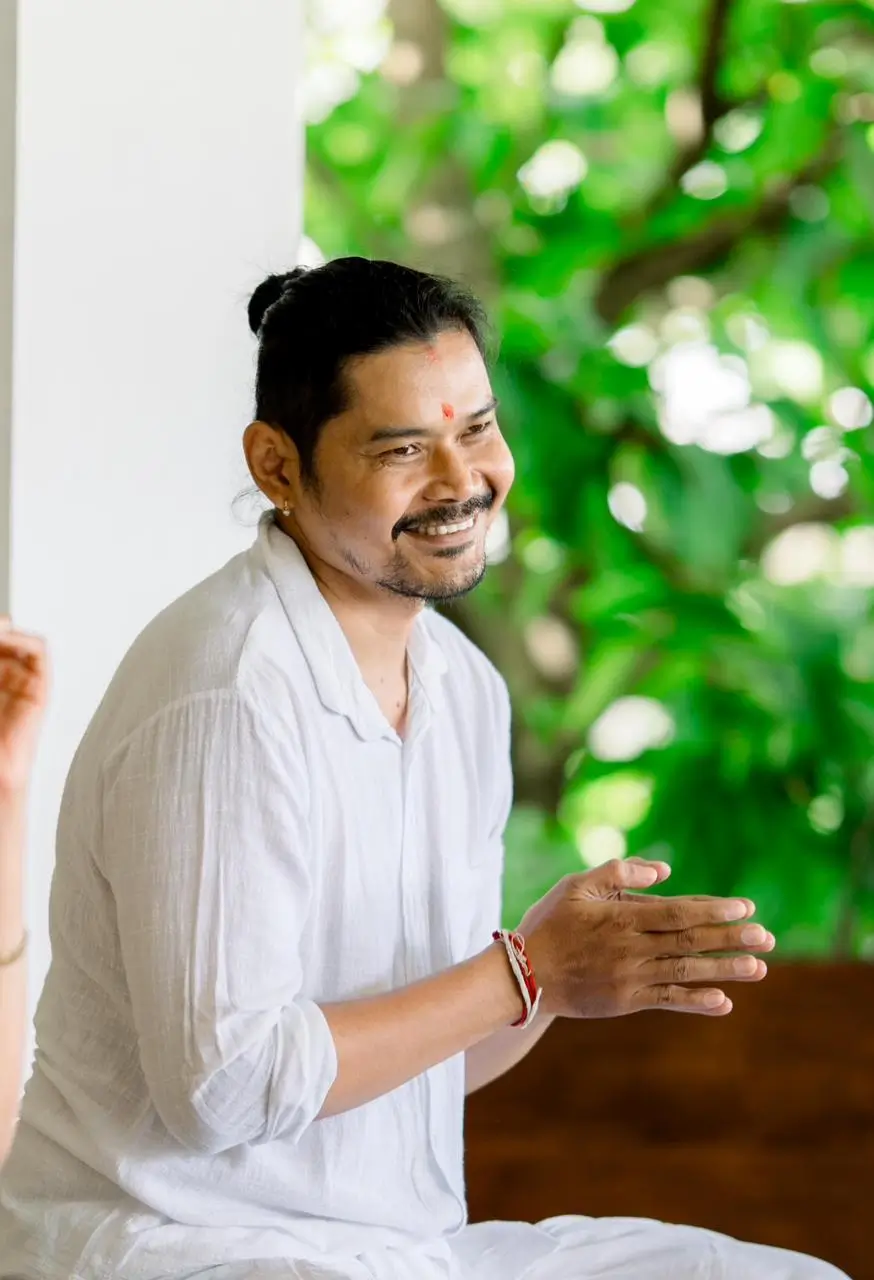
Yogi Haridharma
Philosophy & MeditationBorn in Bali, dedicated to Bhakti & Raja Yoga. Guides students through transformative meditation and Vedic philosophy.
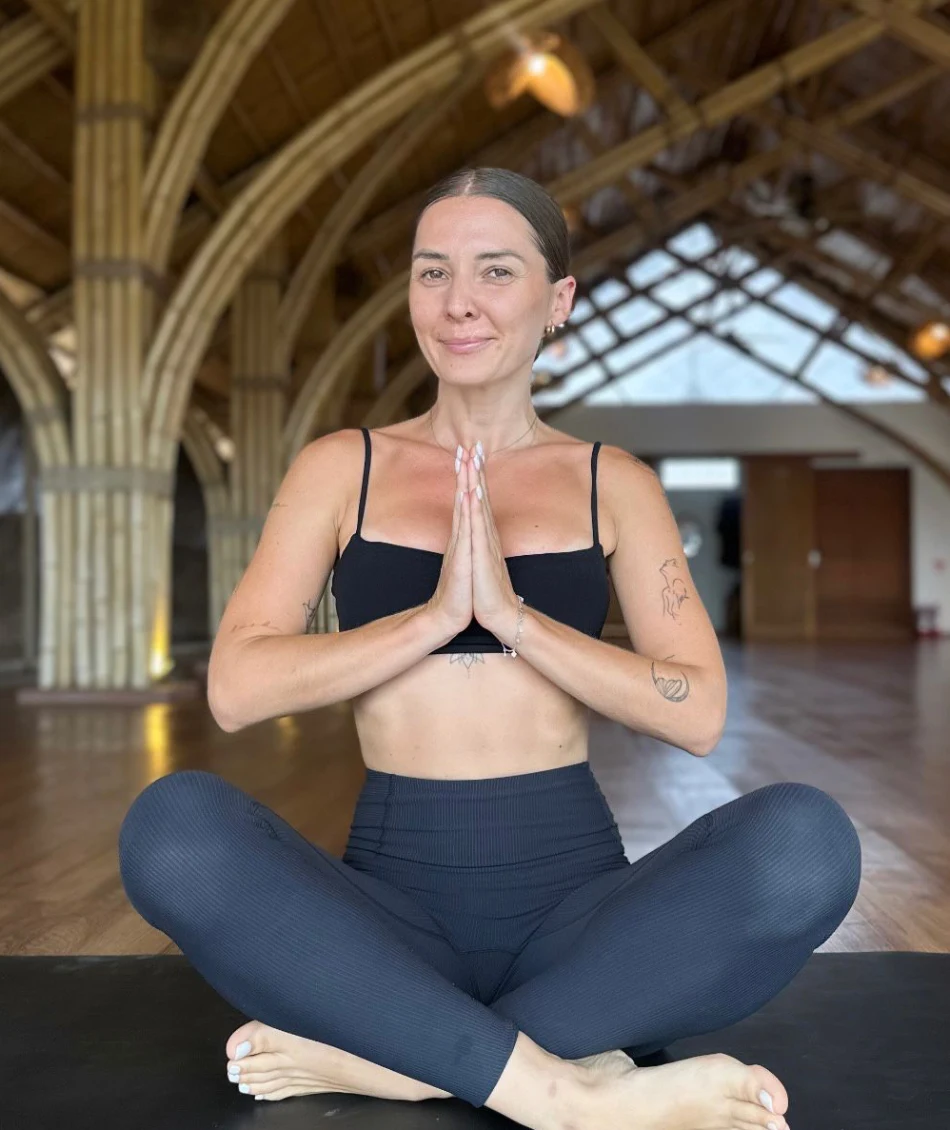
Dominika Ji
Yin Yoga TeacherCreates calm, safe spaces through Yin Yoga, helping students slow down, release tension, and cultivate deep stillness.

Maa Haripriya
Kundalini & Sound HealingBrings powerful Himalayan wisdom, Kundalini Tantra, Pranayama, and sound frequency therapeutics.
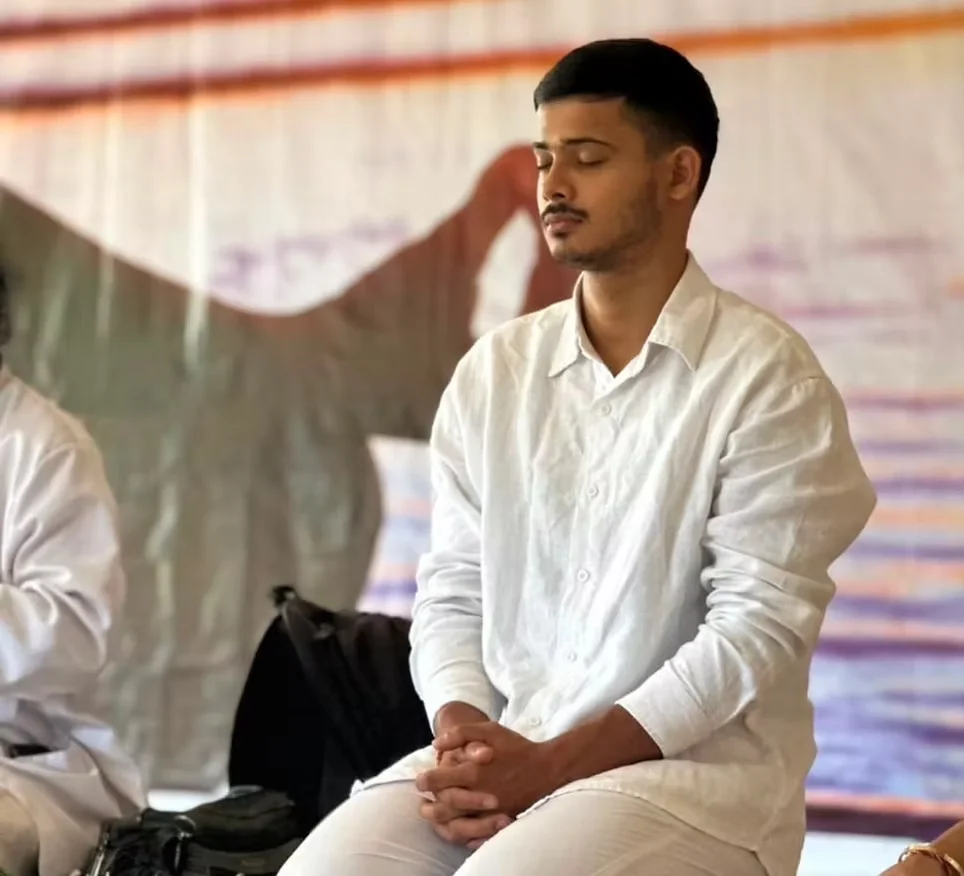
Yogi Akshat Ji
Ashtanga VinyasaTeaches Ashtanga Vinyasa with an emphasis on breath-led movement and dynamic precision.
What Our Students Say
Read verified feedback and watch video stories from yogis worldwide.
"I completed my 200h YTT this month and it was one of the best experiences of my life! The teachers Hari, Ankit and Babloo made the three weeks incredible. The lush sanctuary and Sattvic food were outstanding!"
"I just returned from my 300 YTT and I really miss these days. The schedule was so well organized and clear. The teachers are highly professional and answered all questions patiently."
"Completed 300 hours Multi style teaching in Bali. Deep knowledge, structured alignment, and warm guidance. Truly transformational for my practice and teaching career."
Have Questions? Ask Us Directly
If you have any questions about this course, schedule, or accommodation before booking, send us a quick inquiry below.