Bali Yoga Journey: Everything About 100 Hour Teacher Training Programs
Bali has a way of pulling you in. Maybe it’s the rhythm of the ocean, the stillness of the rice fields, or that quiet feeling that you’re exactly where you need to be. For many, this island becomes more than a destination, it becomes a turning point. If you’ve been thinking about deepening your practice, a 100 hour yoga teacher training bali experience is often where that shift begins. It’s not just about learning poses; it’s about understanding yourself on a deeper level.
At first glance, a 100 hour yoga teacher training bali program might seem like a short course. But here’s the thing, it’s intentionally designed that way. It’s an entry point, a focused immersion that gives you the essence of yoga without overwhelming you. Whether you’re a beginner looking for structure or someone already practicing who wants clarity, this format offers a strong foundation without requiring months of commitment.
Why Bali Feels Different
There are countless places where you can learn yoga, but Bali stands out for a reason. The environment supports the process. You wake up to natural sounds instead of alarms. You eat clean, nourishing food. You move slower, breathe deeper, and somehow your mind follows.
What this really means is that your training isn’t happening in isolation. Everything around you become part of the experience. The culture, the people, the temples, even the unpredictable tropical rain, it all contributes to your journey.
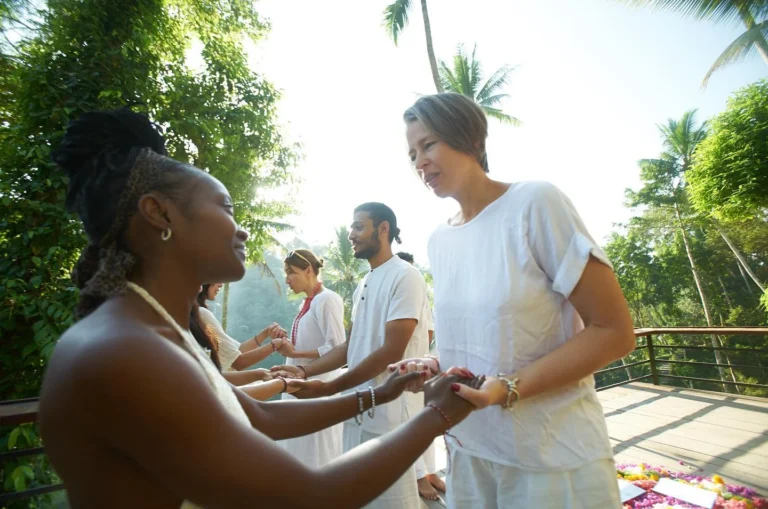
And because Bali attracts people from all over the world, you end up learning not just from teachers, but from fellow students with completely different life stories.
What Exactly Is a 100 Hour Yoga Teacher Training?
Let’s break it down simply.
A 100-hour program is a short-term certification designed to introduce you to the core principles of yoga teaching. It’s often considered the first half of a 200-hour teacher training. Some people take it as a standalone course, while others use it as a stepping stone toward a full certification.
The structure usually includes:
- Asana practice (postures and alignment)
- Pranayama (breathing techniques)
- Meditation
- Yoga philosophy
- Basic anatomy
- Teaching methodology
But beyond the syllabus, there’s something less tangible that happens. You start noticing your patterns. Your reactions. Your habits. That’s where the real learning kicks in.
Who Is This Program For?
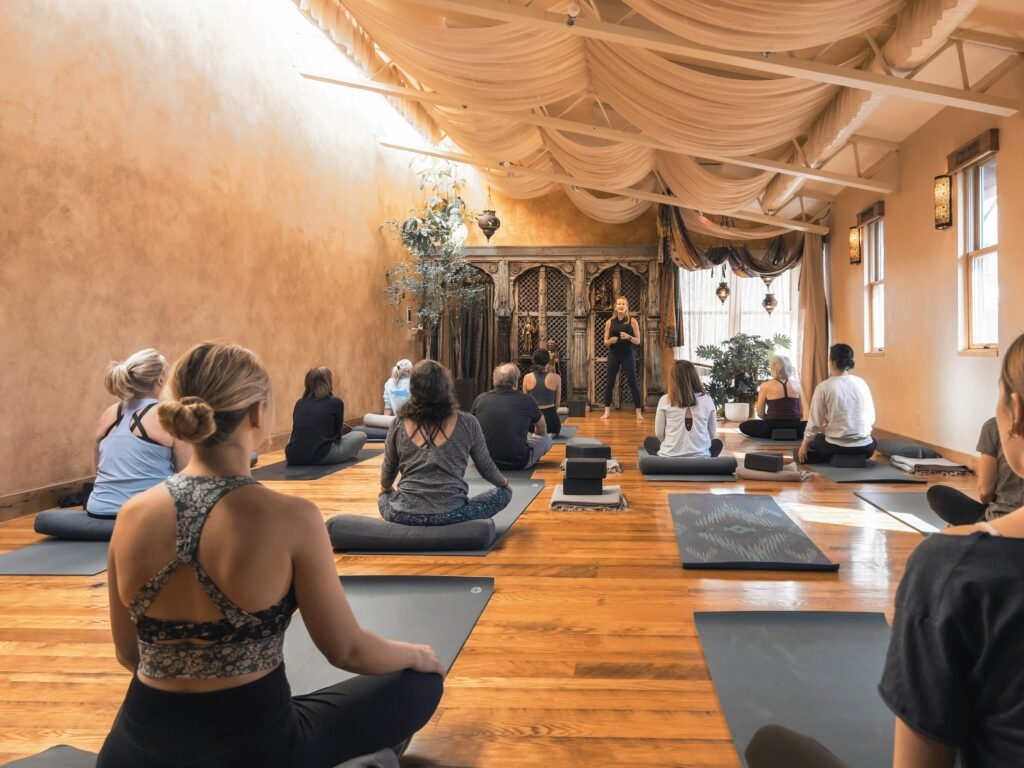
Not everyone wants to become a full-time yoga teacher. And that’s perfectly fine.
This kind of training is ideal if:
- You want to deepen your personal practice
- You’re curious about teaching but not fully committed yet
- You’re short on time but still want an immersive experience
- You’re looking for a reset, physically and mentally
It removes the pressure. You don’t have to show up as an expert. You just have to show up.
A Day in Training: What It Feels Like
Most programs follow a structured daily routine, but it never feels rigid.
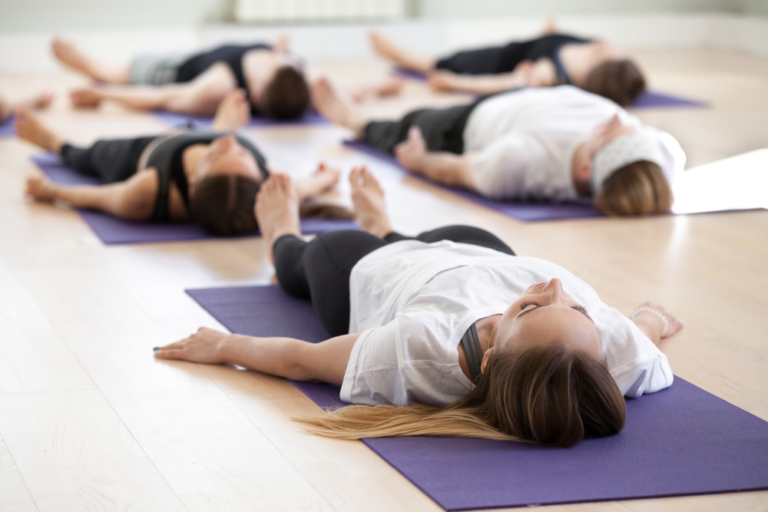
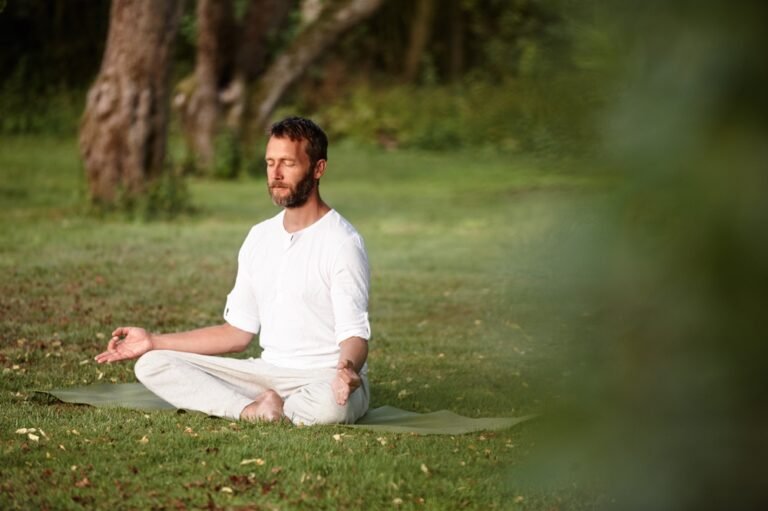
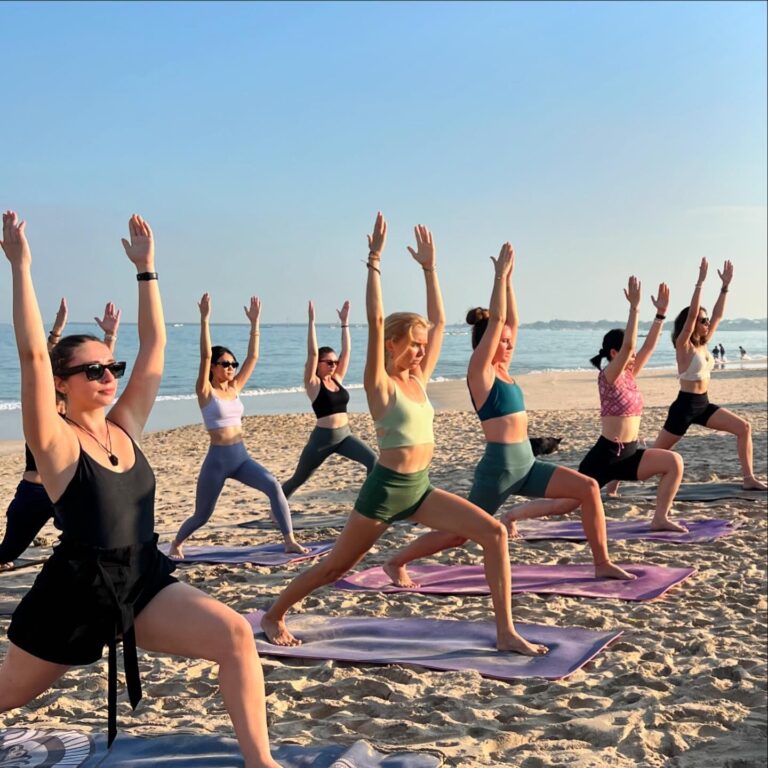
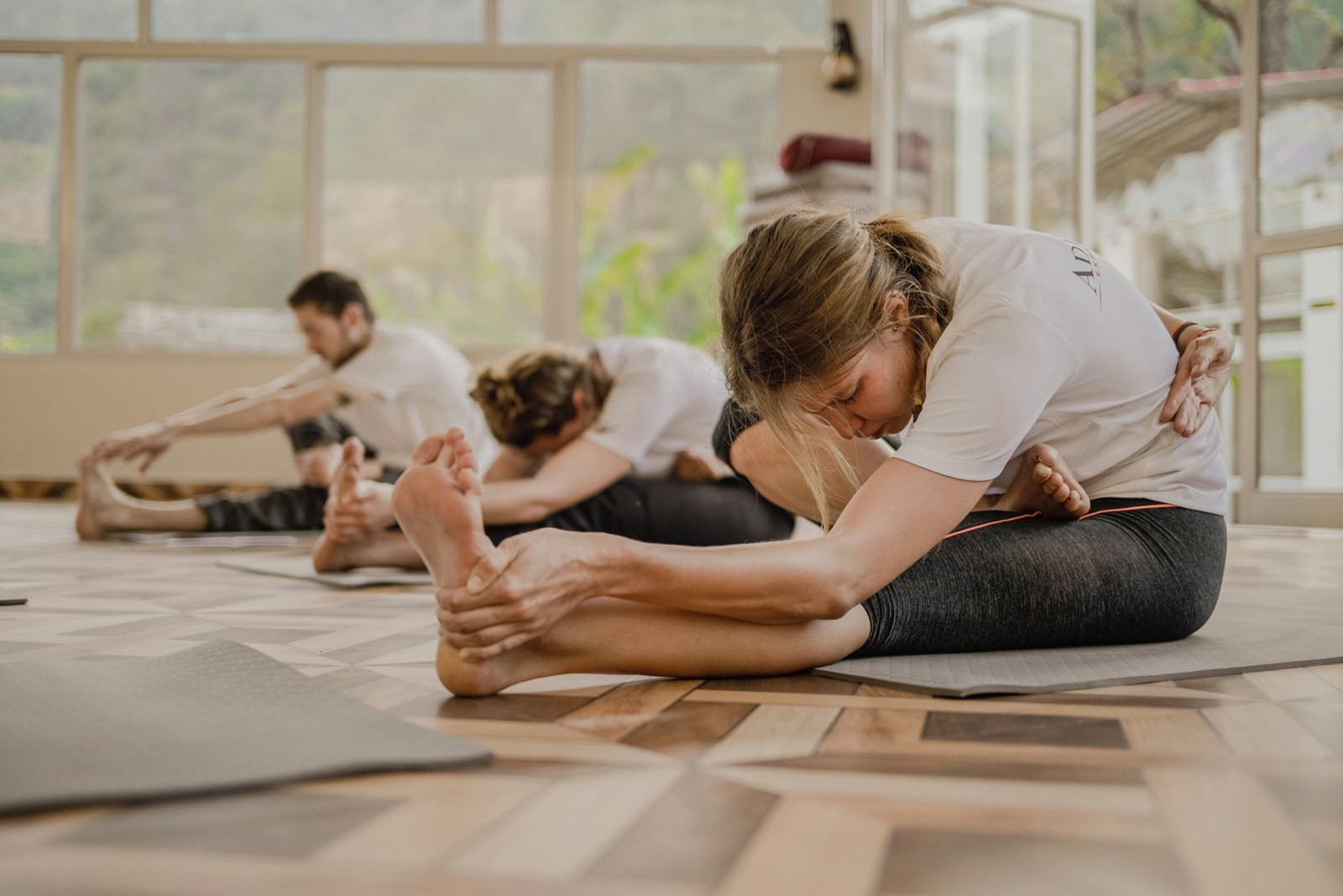
Your day might start early with meditation or breathwork. There’s something powerful about practicing while the world is still quiet. After that, you move into asana sessions, where you refine your alignment and build strength.
Afternoons often shift into theory, philosophy, or anatomy. This is where things start connecting. You begin to understand why certain practices feel the way they do.
Evenings are usually slower. Sometimes it’s a gentle practice, sometimes group discussions, sometimes just silence.
It’s intense, yes. But not exhausting in the way you might expect. It’s more like a steady unfolding.
The Inner Shift You Don’t Expect
People often sign up thinking they’ll improve flexibility or learn how to teach. That happens, of course. But the deeper transformation is internal.
You become more aware of your breath. Your thoughts slow down. You start responding instead of reacting.
And interestingly, many students begin to see how yoga connects to everyday life. Not just on the mat, but in how you communicate, how you handle stress, and how you make decisions.
This idea is explored beautifully in this article:
Taking Your Practice Off the Mat: Living the Yamas and Niyamas in a Modern World
It highlights how ancient yogic principles still apply in modern living, something you’ll likely experience firsthand during your training.
Physical Benefits That Go Beyond Flexibility

Let’s be honest, most people associate yoga with flexibility. But after a few days into training, you realize it’s much more layered.
You build strength in areas you didn’t know were weak. Your posture improves. Your breathing becomes more efficient. Even your energy levels change.
For some, there’s also a healing aspect. Chronic tension, old injuries, or long-standing discomfort can start shifting when approached with awareness.
If that interests you, this read offers a deeper perspective:
Rewiring the Body: How Yoga and Pain Reprocessing Change Your Chronic Pain Story
It explains how yoga can influence pain patterns and reshape the way your body responds over time.
Learning to Teach Without Pressure
One of the biggest misconceptions is that you need to be perfect to teach. That idea fades quickly during training.
Instead of perfection, the focus is on clarity and authenticity.
You learn how to guide others safely. How to cue movements. How to hold space. But more importantly, you learn how to stay present.
There’s usually a bit of practice teaching involved, but it’s supportive, not intimidating. Everyone is learning together, and that creates a comfortable environment to try, fail, and improve.
Community: The Unexpected Bonus
This part surprises a lot of people.
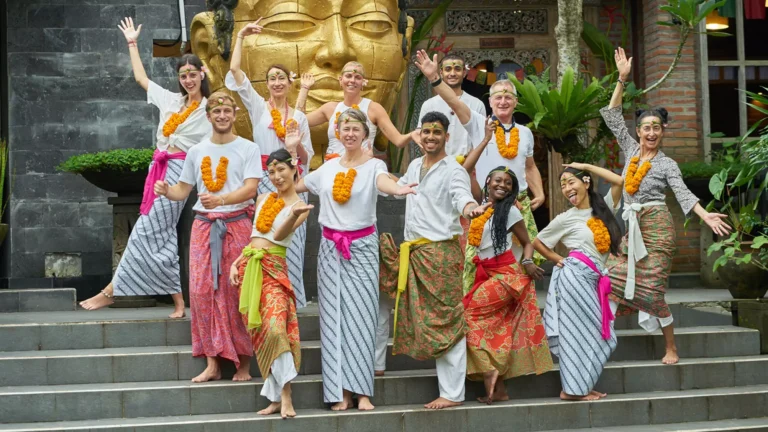
You arrive as strangers. Within days, you’re sharing meals, conversations, and experiences that feel surprisingly personal.
There’s something about stepping away from your usual environment that makes connection easier. No distractions, no roles to play, just people being real.
These connections often last beyond the training. Many students leave with friendships that continue long after Bali.
Challenges You Might Face
It’s not all effortless.
You might feel physically tired at times. You might struggle with certain postures or concepts. There could be moments where your mind resists slowing down.
That’s normal.
In fact, those moments are often where the most growth happens. You learn patience. You learn to sit with discomfort instead of avoiding it.
And slowly, things start shifting.
How to Choose the Right Program
Not all trainings are the same, so it’s worth taking a little time to choose wisely.
Look for:
- Experienced and approachable teachers
- A balanced curriculum (not just physical practice)
- A supportive, non-competitive environment
- Reviews or testimonials from past students
- A location that feels right to you
Trust your instinct here. The right place usually feels aligned even before you arrive.
What You Take Back Home
When the training ends, something subtle stays with you.
Your routine might change. Your priorities might shift. You might start creating space in your day for stillness.
Even if you don’t pursue teaching immediately, the experience shapes how you approach life.
And that’s really the point.
Final Thoughts
A 100-hour training in Bali isn’t about becoming someone new. It’s about reconnecting with parts of yourself that were always there but maybe overlooked.
You don’t need to have everything figured out before you go. You just need a willingness to explore.
If you approach it with openness, the experience tends to meet you exactly where you are, and gently take you further. For those considering this path, Maa Shakti Yog Bali offers a space where learning feels natural, grounded, and deeply personal.