Yoga for Emotional Wellbeing: Lessons from Yoga Training Bali
Hey there, lovely souls!
It’s a beautiful day, isn’t it? Or perhaps for some of you, it feels a little more stormy than bright. We all have those days. Days when anger feels too strong, sadness weighs heavily on the heart, or fear quietly sits in the background of everything we do. In our fast-moving, always-connected world, emotions can sometimes pile up so quickly that they start to feel overwhelming.
But what if we told you there is a powerful and ancient practice that can help you move through these emotional waves with greater clarity and calm? Yes, we are talking about yoga as a path to emotional balance.
Today, we are excited to share how the simple yet profound tools of yoga can become your steady anchor when emotions like anger, sadness, and fear begin to rise. At Maa Shakti Yog Bali, we believe yoga is much more than physical exercise. It is a practical and supportive path toward emotional stability and inner awareness.
In many of our programs, including the 100 hour yoga teacher training Bali, we explore how breathwork, mindful movement, and meditation help people understand and regulate their emotional states. Yoga does not aim to eliminate emotions—they are a natural and essential part of being human. Instead, yoga helps us learn how to recognize our feelings, sit with them, and move through them in ways that support our overall well-being.
So today, let’s explore how yoga can help you build emotional resilience and find balance even when life feels a little stormy.
Learning the Emotional Landscape: Why Yoga Helps.
And then, before we proceed with the how, we ought to briefly run through the why. Why is yoga so peculiarly adapted to enable us to deal with emotional control?
Imagine that your mind and your body are closely related. When you are angry, do you have it in your jaw, in your shoulders, or in your stomach? Do you have a heavy chest when you are sad? Fear usually comes in the form of a tightness, a racing heart. They are not mere states of mind, but they are physically far-reaching.
Yoga, with its effective combination of physical poses (asanas), breathing (pranayama), and meditation, can be used to treat these experiences that go hand in hand. It does not merely instruct you to act positive but instead offers practical exercises to change your physiological positioning, which, consequently, may have a significant impact on your emotional positioning.
The habit makes us develop a sense of body and mind and hence become more self-aware. When we begin to tune in to our bodies, we begin to sense the faint signals of emotion before they overwhelm us. This is a golden insight that is giving us the option to react the way we like, instead of reacting. This is what mindfulness in yoga is.
Taming the Flames: Anger Management Yoga.
Anger. It’s a fiery emotion, isn’t it? It may be explosive, overwhelming, and even productive in bursts. However, when our anger turns into a long-term or even a devastating phenomenon, it may cause havoc on our relationships, our bodies, and our peace of mind.
In cases of rage, our sympathetic nervous system goes on overdrive, and the fight-or-flight response kicks in. We have an accelerated heartbeat, tightness of the muscles, and shallow breaths. Yoga provides avenues of putting out this fire.
Key Yoga Practices for Anger:
Also Read: Sattvic Foods for Mental Clarity: A Practical Guide
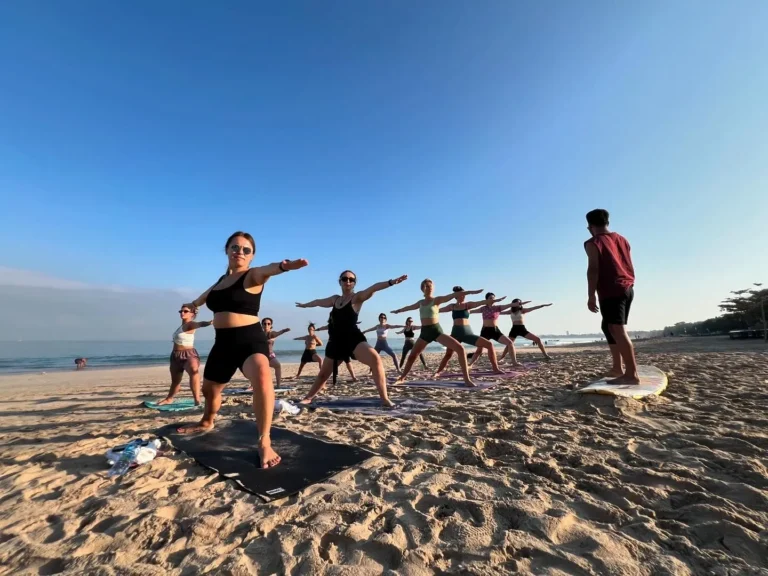
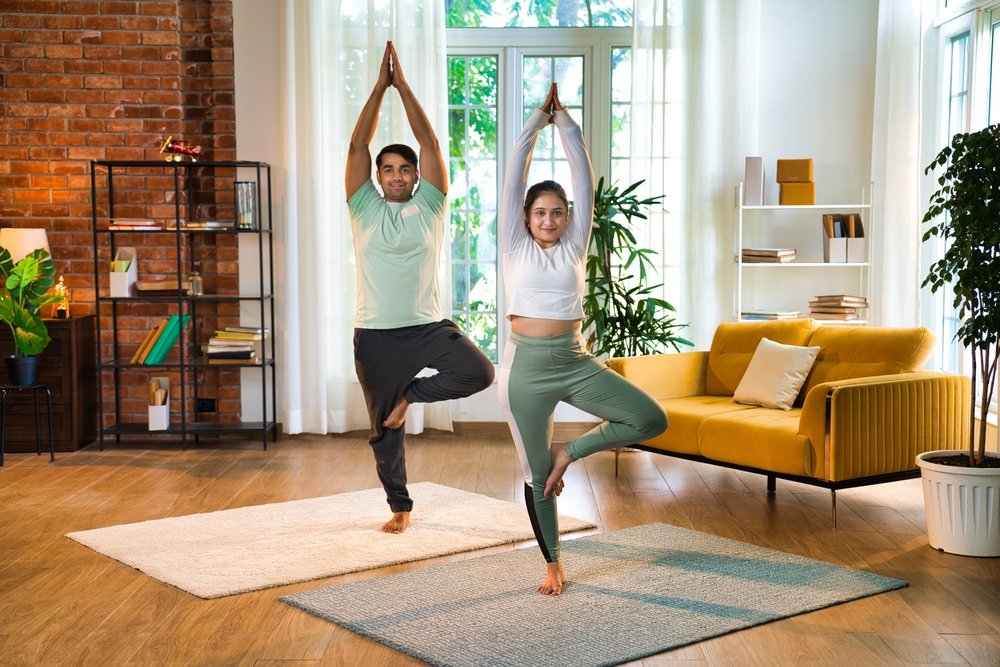
- Grounding Poses: It is a common experience when we are angry and feel ungrounded. Some of the poses, such as Tadasana (Mountain Pose), Vrksasana (Tree Pose), and Warrior II (Virabhadrasana II), may make us feel grounded and calculated, which will neutralize the sense of being in control. Hopefully, when you are on the ground, you can sink your feet deep into the ground and pull your strength and stability up.
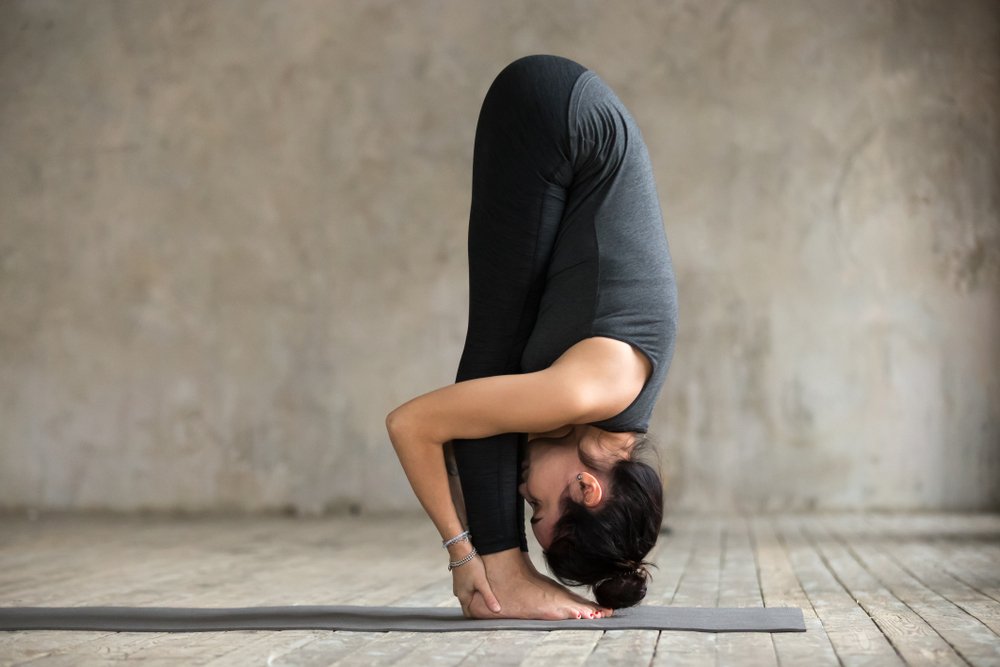
- Forward Folds (Uttanasana): These are very soothing poses. And we can make our nervous system feel safe by letting the head drop lower than the heart. It is as though you have hit a reset button. Take another moment, and pay attention to relieving the tension in the shoulders and jaw.
- Cooling Breath (Sitali or Sitkari Pranayama): These are special breathing exercises that are awesome for cooling the mind and body. Sitali is the art of matching your tongue in a pipe and sucking in air through your tongue and passing it out through the nose. Sitkari is breathing with closed teeth. In case you are unable to roll your tongue, Sitkari is even better. These breaths actually cause a cooling effect, which can be of great use with that hotness of anger.
- Vipassana Meditation: Sitting with anger, watching it non-judgmentally, may be transformative. This type of meditation is used to heal emotions. When we observe our thoughts and feelings as they appear and disappear, we realize that they are temporary.
Opening the Closet: Yoga in Sadness and Grief.
Sadness. It is a burden, usually a silent sensation that might be overwhelming. It may be the great sadness of bereavement or a general sense of sadness, but sadness can be something we desire to retreat into, to cuddle and conceal ourselves. Yoga does not attempt to vanish the sadness, but it provides the secure platform to experience it, process it, and finally, work through it.
Whenever we are sad, we usually have low energy, and our breath can be shallow or limited. Yoga can be used to loosen this stagnation in a very gentle way and make one feel spacious inside.
Major yoga poses for sadness:
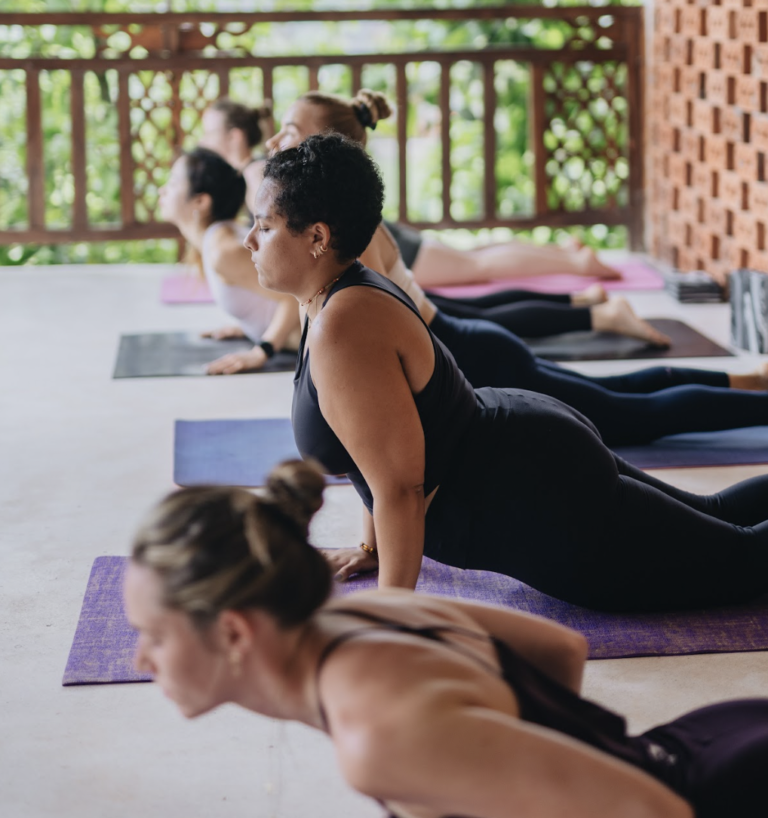
- Light Hearteners: When we feel dejected, we tend to hustle forward, covering our hearts. Bhujangasana (Cobra Pose) or Ustrasana (Camel Pose) (modify as necessary) pose will slightly open the chest and welcome the feeling of letting the wind out and feeling vulnerable. This is not a matter of making people feel happy but of opening to receive new emotions and giving up old ones.
- Restorative Yoga: This practice is a deep sadness one. Supported poses such as Supta Baddha Konasana (Reclined Bound Angle Pose) with the use of support or even Viparita Karani (Legs-Up-the-Wall Pose) when the body is fully supported. This sends the nervous system into a state of deep relaxation, which tends to relieve the physical tension that accompanies emotional pain.
- Mindful Movement (Vinyasa Flow): It is easy to flow, and sometimes it could be good to loosen up stuck energy. Aim to connect breathing with movement, and not precise alignment. It is the rhythmic and meditative aspect of flow that is helpful; it changes your focus and energy gently.
- Deep Diaphragmatic Breathing: When we are sad, our breathing tends to remain superficial. Deep belly breathing (breathing in, allowing your abdomen to stretch out; breathing out, allowing your abdomen to pull in) activates the vagus nerve, which in turn activates the parasympathetic nervous system—our rest and digest system. This is immensely calming. This is one of the main elements of yoga as a stress reduction practice.
Shining a Light: Yoga to Get Rid of Fear and Anxiety.
Fear. It is animal and defensive and even, at times, completely paralyzing. Its long-term counterpart is anxiety, which can make us feel as though we are under constant stress, or we are anxious about what is awaiting us, or we are stuck in a loop of the what-ifs. Fear can be characterized as tightness, narrowing of the breath, and an accelerated mind.
Yoga has strong tools to make us reconnect to the present, to make us grounded, and to remind us of our strength.
Major Yoga Therapies for Fear and Anxiety:
Also Read: The Science of Auras and How Yoga Affects Your Energetic Field
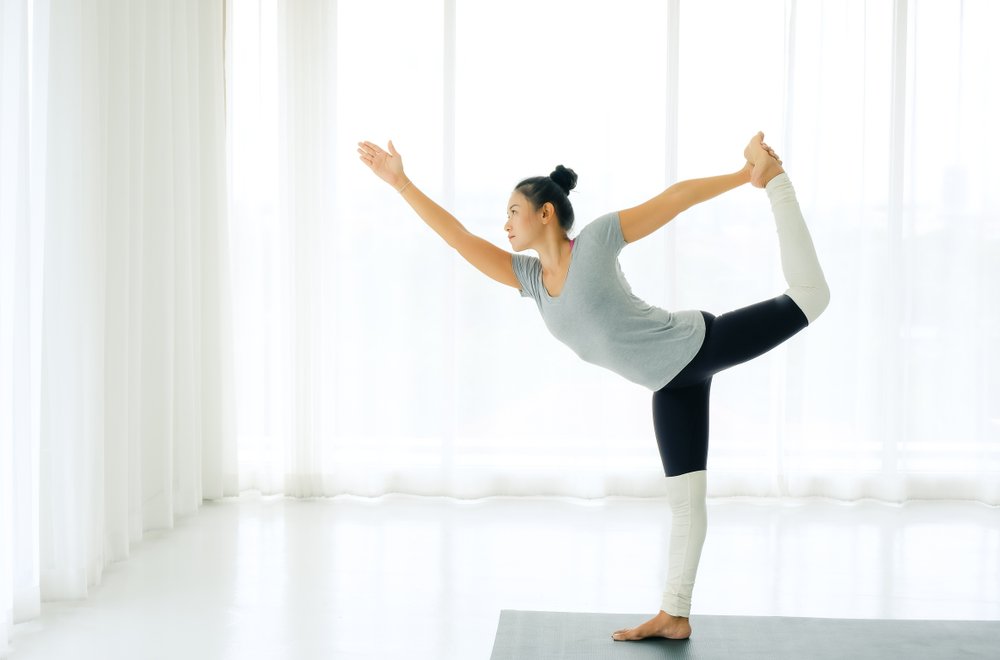
- Balancing Poses: We can feel out of control when most of the time we are afraid. Balancing (as in Garudasana (Eagle Pose) or Natarajasana (Dancer Pose)) requires full concentration and, therefore, redirects the mind towards the present and out of worry. They develop a feeling of inner stability and confidence as well.
- Poses such as Ardha Matsyendrasana (Half Lord of the Fishes Pose) can be detoxifying, physically and energetically. They aid in straining tension and making a roominess that can be liberating as one is oppressed by fear.
- Alternate Nostril Breathing (Nadi Shodhana Pranayama): It is one of the most effective yoga breathing techniques to eliminate anxiety. It balances the left and right sides of the brain, relaxes the nervous system, and makes the mind clear. It is an excellent habit to make a part of your everyday life.
- Yoga Nidra (Yogic Sleep): It is a guided relaxation practice that is powerful to lower anxiety and to help get a deep sleep. It brings you to the state between being awake and asleep, and you can get good emotional processing and release stress. Search for guided yoga practices that relieve anxiety on the internet or in studios.
Thrive with Emotional Strength: Toolkit.
It should be remembered that yoga as a mental health tool is not a fix but more of a process. The more regularly you work with such tools, the stronger you will be. The following are additional suggestions on how to incorporate yoga for emotional well-being in your life:
- Listening to Your Body: That is essential. In case you are feeling overwhelmed, then do not force yourself to a fierce practice. A relaxing session or even 5 minutes of mindful breathing would be more helpful.
- Consistency vs. Intensity: Practices should be short and frequent, rather than long and infrequent. A little ten to fifteen minutes of yoga daily towards stress relief can prove miraculous.
- Writing After Practice: Spend some time after practicing yoga to write about how you feel. This will improve your emotional intelligence and will also assist you in monitoring your progress.
- Do Not Judge Your Emotions: We have the right to all emotions. Yoga teaches us to look at them without prejudice, to give them space in which to be, and then to die. This is extremely important in stress management yoga.
- See What to Wear: When one style does not work, see what another style can bring! Hatha, Vinyasa, Restorative, and Yin—all of them have different advantages in emotional healing.
Your Journey to Inner Peace
Life is never going to be a straight ball. Passions will rise and fall with the ebb and flow. But through the extraordinary discipline of yoga, you can have potent means of negotiating these inner worlds with more awareness, compassion, and power. You get to know how to be your own anchor, your own stable in the storm of any kind.
Therefore, when you are fighting the angry dragon of anger, sailing the big seas of sadness, or confronting the darkness of fear, keep in mind that the mat (or even a quiet space) will always be close to you. It is a holy place of being able to connect with yourself, being able to breathe, and being able to get back to balance.
We would recommend that you have a taste of these practices. Begin with little, treat yourself nicely, and watch the magic.
Namaste, and see you on the mat!