Why Yogis Historically Woke Up Before Sunrise: The Secret of Brahma Muhurta
Ever wonder why yogis rose before the world was dark in ancient India? Sounds difficult, right? We all enjoy a nice warm bed, and the snooze button has become part of our everyday life. But for thousands of years, yogis, sages, and seekers have recognized the early morning as sacred.
Understanding the significance of these early hours offers a glimpse into the traditional approach to yoga explored through the teachings and practices associated with Maa Shakti Yog Bali, where yoga philosophy extends beyond physical postures to include mindfulness, discipline, and self-awareness.
We will explore these reasons together in this blog. We will examine the ancient texts, the teachings of Ayurveda, and what is offered by modern science. We’ll hope by the end you’re interested in doing an early morning yoga session yourself (and perhaps inspired).
What is Brahma Muhurta? The Yogic Time before Sunrise
Let’s begin at the beginning. The pre-dawn time is a time with a special name in the yogic tradition: Brahma Muhurta. Brahma in Sanskrit is the creative, universal consciousness, and muhurta is a period of time, approximately 48 minutes.
For ages, Brahma Muhurta has been considered to start about 96 minutes before sunrise and to finish about 48 minutes before sunrise. If the sun is rising at 6:00 AM, then this sacred window is from about 4:24 AM to 5:12 AM.
Why does it matter? Yogis thought it was the most sattvic time of the day. Sattva is one of the three guna (qualities of nature) and represents clarity, calm, and purity. The world is quiet, the air is fresh, and the mind is calm at this time. We do not have to struggle to concentrate; the day is not yapping at us yet.
Why Ancient Yogis Practiced Yoga Before Sunrise
Also Read: Moon Salutations vs. Sun Salutations: Differences Explained
Early rising is a subject of many traditional texts and their wisdom. The Ayurvedic and yogic literature both instruct to rise at the Brahma Muhurta for the benefit of health, discipline, and spiritual development. The Hatha Yoga Pradipika and other texts stress regular and disciplined practice; for generations of yoga practitioners, the best way to ensure this was to practice before the day got busy.
There’s also a very practical reason for this. Imagine living in an old ashram or village:
- No power, so daylight was a precious commodity.
- No phones, emails, or notifications.
- The morning was peaceful on the streets and in the houses.
In addition to its practical purposes, yogis viewed the pre-dawn hours as a “doorway.” They believed that the practice of meditation, mantra, and pranayama (breathing exercises) is deeper when the mind is relaxed and the atmosphere is calm. We can see why it is that. Those who have attempted to meditate at 9 PM after a long day will know how loud the mind can get!
Understanding these traditional practices can also inspire those who wish to explore yoga beyond their daily routine. For practitioners looking to deepen their knowledge of yogic philosophy, meditation, and disciplined practice, a 300 hour yoga teacher training Bali program can be a way to further explore the broader dimensions of yoga.
Ayurveda and Waking Up Early: The Role of the Doshas
Ayurveda, the sister science of yoga, provides us with another lovely motivation: to rise early. It explains the day in cycles with relation to the three doshas: Vata, Pitta, and Kapha.
- Vata time (2 AM to 6 AM): Light, airy, and mobile. Energy is clear, and the mind is creative and alert.
- Kapha time (around 6 AM to 10 AM): Heavy, slow, and steady. It is also during this time of sleep that we are most vulnerable to waking up feeling groggy and sluggish.
- Pitta time (around 10 AM to 2 PM): Fiery and sharp, good for digestion and productivity.
As per Ayurveda, it is easier to wake up in the Vata period, before the Kapha period, to feel lighter and get more energy in the morning. Ever find that you feel heavier when you wake up at 9 AM than when you woke up at 5:30 AM for the same amount of sleep? According to Ayurveda, this is Kapha.
Benefits of Waking Up Early for Yoga Practice
But what is the benefit of doing yoga in the early morning? These are the positive effects that yogis and plenty of modern yogis mention.
A Calm, Focused Mind
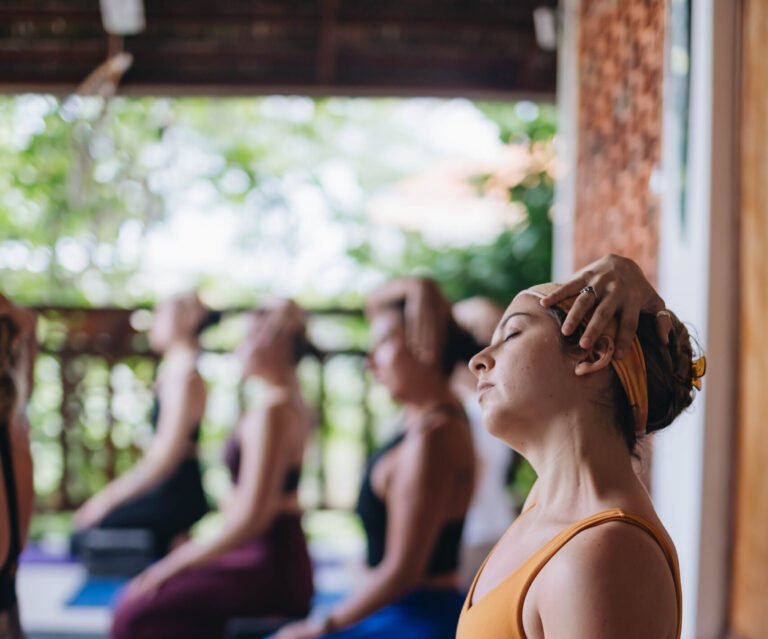
The morning is still. Less distractions, less demands, and less mental chatter. This allows us to become more attuned to our breath and body, which works as the foundation of the discipline of yoga.
Create a daily yoga routine.
Often, we know how a hectic day can consume our best intentions! If we schedule yoga as the first thing to do in the morning, then nothing can get in our way, no distraction or anything else. This develops consistent habits over time, and consistency is more important than intensity.
This is a wonderful way to improve your energy.
A healthy body is awakened by gentle activity, deep breathing, and calmness. Some find that a session in the morning is enough to get them energized as much as a cup of coffee ever does.
A Stronger Connection With Nature
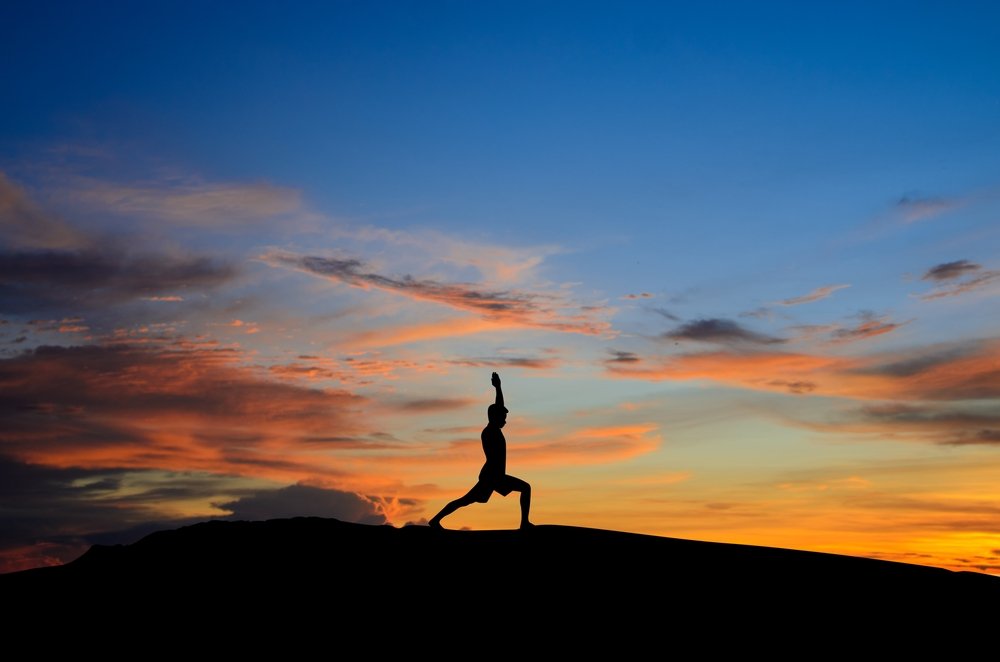
As the sky turns from deep blue to soft gold, we know that we’re part of something bigger. Yogis saw this harmonizing relationship to the natural rhythms as having a positive impact on the harmony of the body and mind.
A Positive Mood and Mindset
It’s a serene way to start the day; not getting caught up in messages, deadlines, etc.
Morning Meditations and Pranayama: Why Sunrise?

Also Read: Yoga: A Journey Across Continents and Centuries
Of these two practices, meditation and pranayama would be the two that would be the most suitable during the pre-dawn hours.
The nervous system is still in a calm state from sleep during Brahma Muhurta. The mind hasn’t yet filled up with the day’s to-do lists. Hence, even a few minutes of quiet, still sitting can turn out to be very helpful.
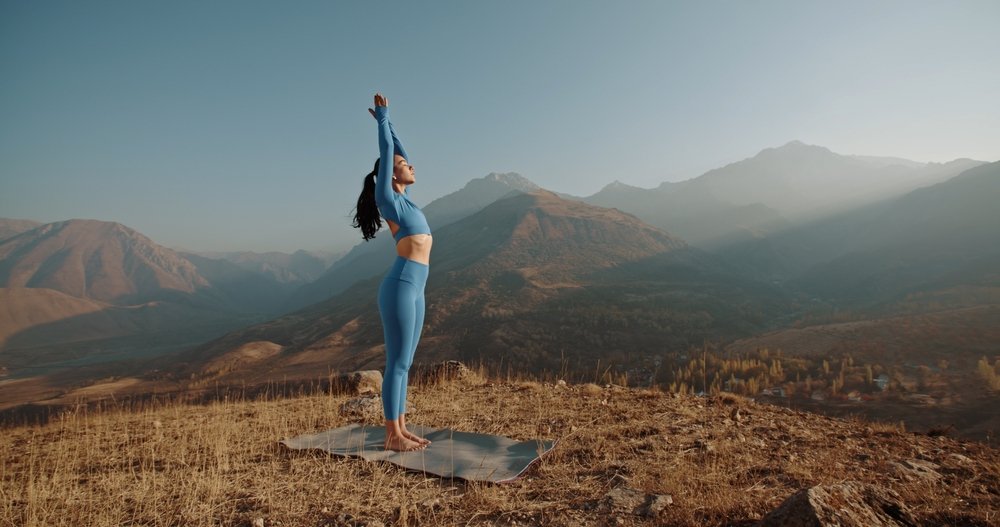
It is said that the morning is the best time to practice pranayama techniques such as Nadi Shodhana (alternate nostril breathing) and Anulom Vilom. Breathing is deep and slow, and the body is empty and light, making it easier to breathe deeply and slowly. One traditional way to honor this tradition is by performing Surya Namaskar (Sun Salutation) with breathwork as the sun rises.
Is early morning yoga supported by modern science?
Funnyly enough, modern research is starting to confirm what yogis have been saying for centuries. Let’s be realistic, though. No science can prove the magic hour of morning exists in one minute. It does help to give us some idea of what it does.
- Our body clock (circadian rhythm) is supported by regular sleep and wake patterns, and this impacts our mood, hormones, and energy.
- Getting light in the morning helps to synchronize the sleep-wake cycle and can make one more alert throughout the day.
- Yoga and meditation are associated with reduced stress, concentration, and emotional balance.
- If you have less to distract you in the morning, the longer you can stick to your morning routine.
Therefore, the secret to being awake before sunrise could lie in quiet, consistency, and light, all things that yogis valued.
How to begin a yoga morning routine (without dreading it!)
Bear in mind we’re not suggesting you should get up out of bed at 4 AM tomorrow. Let’s do it gently and in reality. Let’s ease in here.
- Sleep earlier initially. Educational goals are best accomplished when we are asleep and awake early. Aim for a calm wind-down by 9:30 or 10 PM.
- Shift gradually. Get up 15 minutes before every week until you find a time that works.
- Take time to set up the night before. Set up your yoga mat, have a water bottle in front of you, and dress in loose, comfortable clothing.
- Start small. Just 10 minutes of stretching, breathing, and silent sitting is enough!
- Wash your face and then drink warm water. This is often recommended in many yogic practices to rejuvenate the body.
- Keep the room calm. Dim lights, soft music, or complete silence can help the mind to settle.
- It could be as simple as 5 minutes of gentle stretching (Cat-Cow, Child’s Pose), 5 minutes of sun salutations, 5 minutes of alternate nostril breathing, and 5 minutes of quiet meditation.
- And remember to treat yourself nicely. Some mornings are going to be magical, and some mornings, it’s going to be a struggle. Both are on the way.
Is ‘Waking Up Before Sunrise’ Suitable for All?
No, and we are telling the truth, and there is nothing to worry about. Yoga helps us to be mindful of our bodies. For a baby at home, working night-time shifts or having trouble sleeping, waking at 4 am might be a bad idea. There is no yoga practice that is worth a lack of sleep.
The essence of the Brahma Muhurta is essentially to practice in the mind’s clarity and the stillness of the world. For some, perhaps it’s sunrise. For others, it might be a peaceful moment later in the day. It’s not about what happens; it’s about being present with awareness.
Final Thoughts: Rise With the Sun, Rise With Yourself
Yogis woke up before sunrise because they discovered something beautiful: the early hours offer the opportunities to be still, clear, and connected with ourselves and with nature. It is either through tradition or from Ayurveda or by mere common sense; the message is the same. If we start out on purpose, the day will start on purpose.
We invite you to give it a shot, even just one this week! Get up slightly earlier, roll out the mat, get a few deep breaths, and experience the dawn of the sky with you. You could find a lot of peace in those quiet moments in the morning.
Great practicing, everyone. See you on the mat!