Fasting and Yoga: Ancient Practices for Modern Health
Hey there, lovely people!
Here we are again, your friendly yoga instructors, and we are about to set on a subject that has been receiving a lot of hype in recent times, and with a good reason to do so: fasting and yoga. You would be asking yourself, what does all this have to do with my hectic modern life? Now, be prepared to be impressed, since when merged together, they are a potent avenue to wholesome health and wellness.
We will discuss the ways of how these traditions practiced over centuries can be easily included into your daily routine to open the door to the amazing benefits to your body and mentality. Now, get yourself a warm cup of tea (or water, since you are already practicing a little fast!), get cozy, and we shall talk!
The Reason Behind the Om: Knowledge on Fasting.
To begin with, we should speak about fasting. Before you imagine abject poverty, now we must explain. We do not need to be talking of days with no food. Most of the time we are talking about intermittent fasting, which means alternating eating and voluntary fasting. Consider that it is not a diet but rather a careful attitude towards your eating habits. This is exactly the approach we emphasize at Maa Shakti Yog Bali — fasting as awareness, not deprivation.
Yogis in India and philosophers in Greece knew the great advantages in allowing the digestive system a rest. They did not think it was about weight management; rather, it was about cell repair, gut health, and even mental clarity. When you are not always engaged with digestion, then your body may be engaged in other valuable activities, such as healing and relaxation.
Others that you may have come across in popular practices are
- 16/8 technique: 16 hours of fasting and 8 hours of eating. (This is an excellent place to begin with beginners.)
- OMAD (One Meal a Day): According to the name, it is an intake of all your daily calories in a single sitting.
- 24-hour fasts: complete fasting, usually once or twice per week.
The main lesson in this case is that in its many types, fasting provides an opportunity to rejuvenate and reinvigorate your body. It is as though it is a refresh button to your internal systems.
The Power of the Pose: The benefit of yoga.
Also Read: The Science of Auras and How Yoga Affects Your Energetic Field
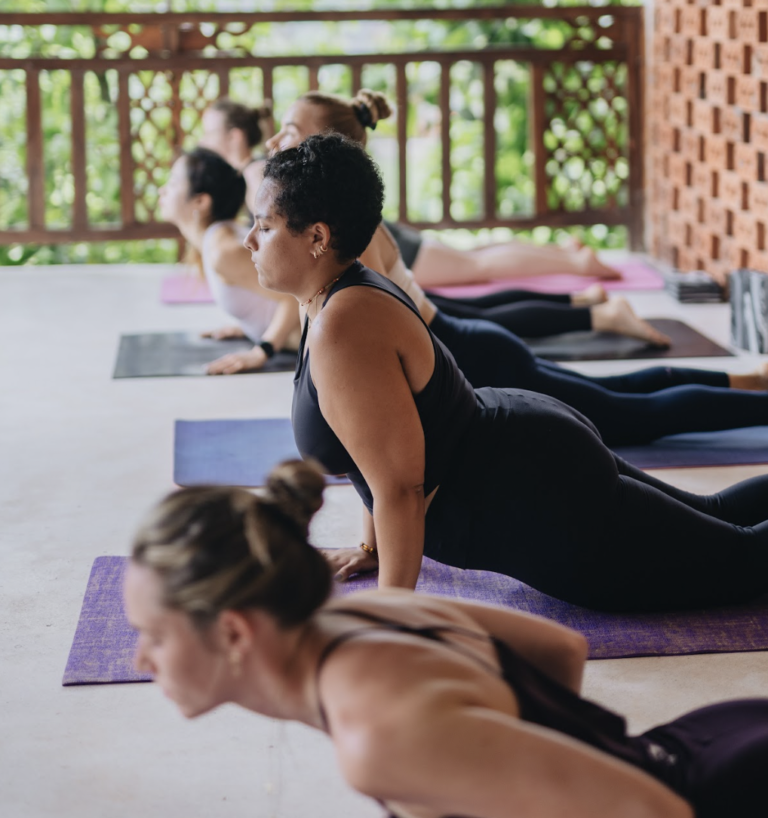
And now we may go to what is our favorite subject, which is yoga! We have heard and read about the wonders yoga has on strength, flexibility, and also calming the mind. However, when we combine it with the postulates of mindful eating, then something really changes.
In its most basic form, yoga is about connectivity—connectivity between breath and body, mind and body, and finally, self to spirit. It is a form of practice that stimulates mindfulness, awareness of the self, and living in the present moment. All these are important factors that increase the rewards of fasting.
Whether it is Vinyasa flow at its most vigorous tarantella or something more soothing, like restorative yoga, everyone has a style of yoga. And every pose, every breath, and every moment on your mat is part of
- Better digestion: Some poses will massage the internal organs, and this will help in the detox process.
- Improved stress and anxiety: With a less anxious mind, the first challenges of fasting are less difficult to overcome.
- Improved energy: You would think that maintaining your energy to such an extent would make you more vibrant even on a fasting window, but the truth is that regular yoga can increase your energy.
- Improved body awareness: You come to be more sensitive to the real hunger signals of your body as opposed to emotionalized eating.
The Synergistic Dance: Yoga and Fasting.
How then can these two potent practices be combined to make some supercharged roadway to modern health? It’s all about synergy!
- Mindful Eating and Movement: Yoga also teaches listening to our bodies, and fasting also helps us to be more mindful of what and when we eat. Combined, they make us feel even more connected to what we actually feel in our bodies, to make us differentiate cravings and actual hunger.
- Detoxification and Cleansing: Fasting, as well as yoga, is famous in terms of its cleansing abilities. Fasting helps your system to have a rest, and your body concentrates on the inner housekeeping. Some yoga postures (twists and inversions in particular) may also be very stimulative of circulation and can be helpful in detoxification.
- Improved Mental Clarity and Concentration: It is also noted by many practitioners that they become more mentally clear and concentrated when fasting. This, together with the meditative nature of yoga, may result in deep insights, less brain fog, and better thinking. Can you imagine waking up with a clear mind and calm and concentrated presence?
- Stress Reduction: Fasting may be a little demanding to the body at the initial stages. Here yoga will be your special ammunition! Some yoga can also be used to control your nervous system, such as Pranayama (breathing exercises) and slow Yin yoga, which will make the process of fasting more enjoyable.
- Stimulating Metabolism and Energy: Since that may sound like a paradox, regular periodic fasting and regular yoga may, in fact, be helpful in streamlining your metabolism and increasing your overall energy levels during the day. Your body becomes more productive in using its stores of energy.
Starting (Easy and Simple)!

Also Read: Yoga: A Journey Across Continents and Centuries
In case you are now motivated to consider this strong mix, here are a few tips to soften the ground:
- Begin Easy with Fasting: You need not immediately go into a 24-hour fast. Start with the 16/8 one and observe how your body will react. The best thing to do is to always listen to your body and break your fast when you are not feeling well.
- Hydrate, Hydrate, Hydrate! This is necessary, particularly in the fasting. Keep drinking lots of water, herbal teas, and black coffee (unless you can’t handle caffeine) to keep yourself hydrated and subdue hunger.
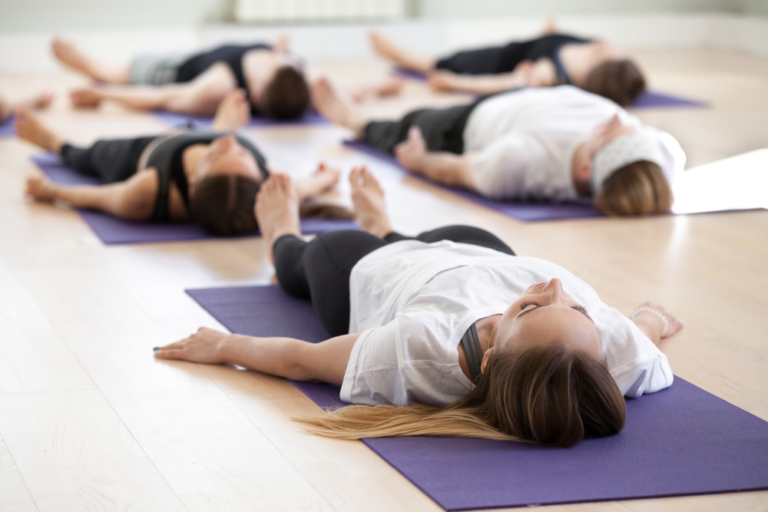
- Select Your Yoga Wisely: Within your fast period, you can choose less vigorous yoga such as Hatha yoga, Yin yoga, or restorative yoga. Keep your energetic Power Vinyasa until eating time, when you have more energy in you.
- Eat Nutrient-Dense Foods: In the event that you have to eat, make whole, unprocessed food your priority. Consider lots of fruits, vegetables, low-fat dairy, and healthy fats. This will help you make the most out of your fasting time.
- Talk to a Professional: It is always best to talk to your doctor or another qualified health practitioner before beginning any new fasting program in case you have some underlying health issues or concerns.
Your Well-being in a Nutshell.
Fasting and yoga are not only simple practices but also are calling to a deeper communion with yourself. They provide a way to live not only physically but also mentally, emotionally, and spiritually. You are investing in a very holistic view of modern health by adopting these ancient traditions of wisdom.
You are willing to go on this amazing adventure, are you? We would urge you to consider adopting this kind of practice in your life, albeit in the most basic forms, and see the changes take place.
Write about your experience in the comments below! We would be happy to know how fasting and yoga are affecting your health.
And until the next time, continue breathing, continue moving, and continue shining!
With much love and light,
Your Yoga Instructors