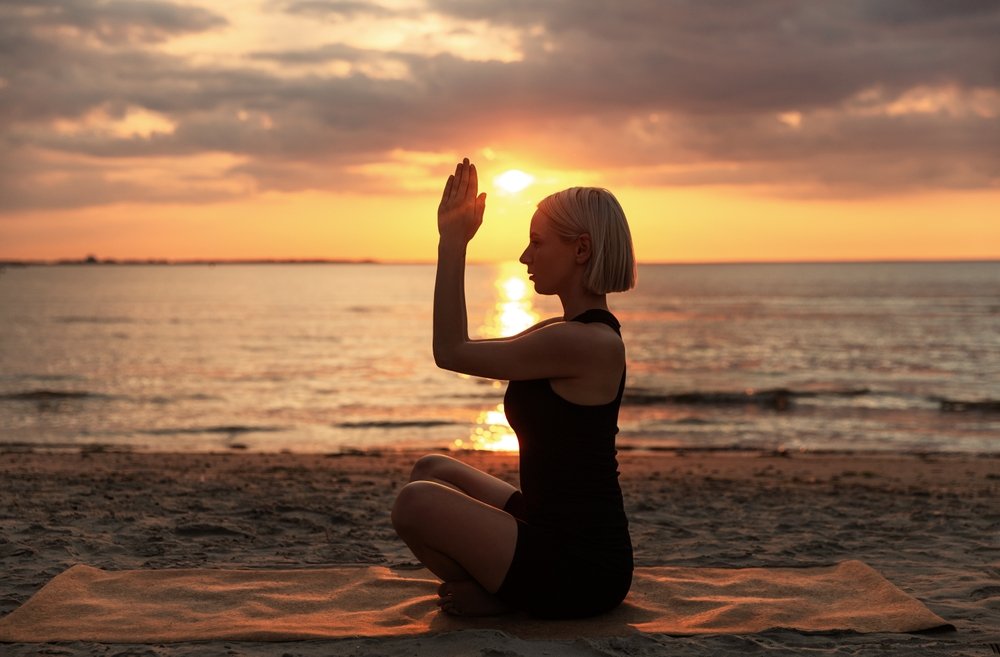
Morning vs. Evening Yoga: Which One Serves Your Nervous System Better?
Have you ever gotten your mat out at 6:00 AM and felt like a stiff board and then got to Savasana and felt like you could take the world? Or possibly you are one of the kind who likes to have a slow, melting flow at 9:00 PM to get some relaxation from a busy day at the office.
When to practice yoga is the best is a controversy as old as yoga itself. Ask the traditionalist, and he or she will refer you to the Brahma Muhurta—the ambrosial hours before sunrise. A busy person may tell you that the only best time is when he or she can find twenty minutes of quiet.
However, when we consider this in terms of the nervous system, the answer is a little more scientific and a lot more personal. At Maa Shakti Yog Bali, we often remind students that yoga is not about forcing a perfect routine. It is about understanding what your body and nervous system truly need. Today we are going to take a deep dive into the advantages and disadvantages of morning and evening yoga and see which of them is more beneficial to your internal wiring.
Learning How Your Nervous System Works: The Essentials
Before we pick a side, we need to understand what we’re trying to “serve.” The nervous system has two main branches that are the gas pedal and brake of a car:
- The Sympathetic Nervous System (SNS): This is the fight-or-flight area of the body. It prepares you to act, raises the heartbeat, and concentrates the mind.
- The Parasympathetic Nervous System (PNS): This is the rest-and-digest system. It reduces the rate of heartbeats, facilitates digestion, and helps your body to heal itself.
A balanced yoga practice is not only to flex your hamstrings; it is to enable you to move smoothly in-between these two modes. We would like to be in a position to rev up when we have to be productive and turn down when we want to sleep.
The Morning Yoga Case: Waking up the Engine
Also Read: Sattvic Foods for Mental Clarity: A Practical Guide
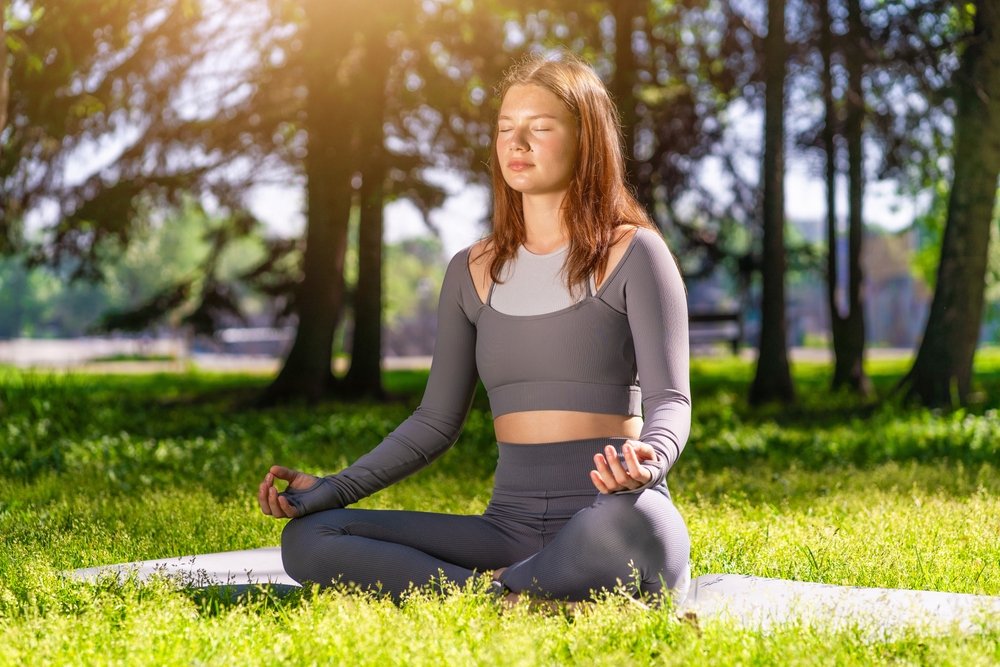
Something magical about the quietness of the early morning is undoubtedly there. Physiologically, morning yoga is similar to pressing the refresh button on your internal software.
1. Controlling Cortisol Awakening Response.
As soon as you get up, a spike of cortisol, or, as some people refer to it, the stress hormone, takes place in your body. Although cortisol gets the right of passage, this morning surge is what gives you the energy to be awake and alert.
This natural rhythm is worked with in a morning yoga practice, particularly one that incorporates Sun Salutations (Surya Namaskar) and easy backbends. It assists in normalizing those cortisol levels, eliminating that jittery feeling and substituting it with a more relaxed and concentrated energy.
2. Increasing the Circulation and Warming the Joints
Eight hours of immobility can make your joints sticky because of stale synovial fluid. Yoga in the morning is like a lubricant. You do this by going through low-impact sequences, which promotes blood flow to muscles and your brain, which can help you get rid of brain fog better than a double espresso.
3. Establishing the Emotional Tone
Early practice will enable you to reserve your headspace prior to the onslaught of emails, social networking, and family. It triggers the vagus nerve, the major part of the parasympathetic nervous system, at an early time of the day. This provides some kind of buffer against stress. You are less likely to lose your temper in a traffic jam when you are in a Zen state when you start your day in the same state.
Best Morning Practices:
- Vinyasa Flow: To rev up the heart and get the blood flowing.
- Power Yoga: To those who require a physical workout to be considered in the morning.
- Pranayama (Breathwork): Kapalabhati (Breath of Fire) in order to vitalize the system.
The Case of Evening Yoga: Relaxing the Day
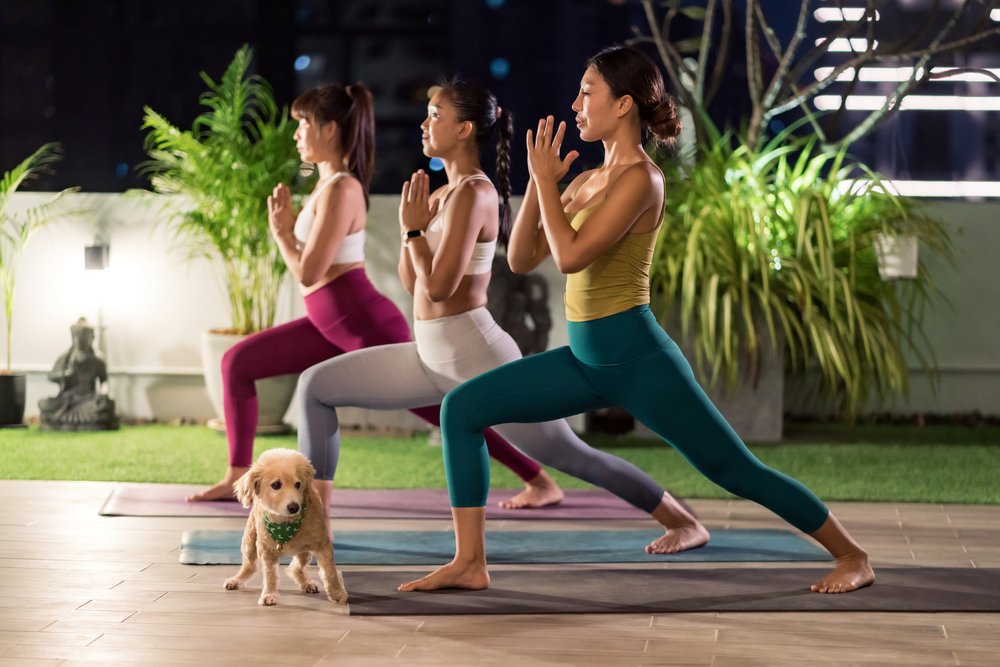
On the other side we have the evening practitioners. Yoga is the transition between the busy day and sleep for many of us.
1. Offloading Sympathetic Stress
The majority of us are in low-grade fight or flight most of our workdays. Our sympathetic nervous system is on its toes because of constant messages, deadlines, and multitasking. If you go straight from your laptop to your bed, your nervous system is still “looping” on those stressors.
Evening yoga, i.e., Yin Yoga or Restorative Yoga, is a manual override. Supported holds, which are long, send a signal to the brain that the threat is over. It activates the so-called relaxation response, and your heart rate will slow down, and your muscles will finally release that subconscious strain in your shoulders and jaw.
2. Improving Sleep Quality
Evening yoga can be your savior in case you have insomnia or are always restless when trying to sleep. The deep stretching also assists in reducing your body temperature after the exercise, and this is a major biological stimulus to sleep. In addition, the yoga world refers to forward folds as poses that are introverted. They are urging you to go inward and get the monkey mind to shut up, which repeats embarrassing dialogues that occurred three years ago just as you fall asleep.
3. Physical Repair
Evening muscles are usually warmer in the evening than they are in the morning. This implies that you may end up being more flexible. This time of deep, passive stretching may be used to mend the micro-tears in the muscles as well as enhance general flexibility without the stiffness obstacle that you experience at 6:00 AM.
Best Evening Practices:
- Yin Yoga: To relax the mind and go deep into connective tissues.
- Restorative Yoga: lying on bolsters and blankets to fully support the body.
- Yoga Nidra: This is a guided yoga sleep, which offers the same benefits as hours of rest, only in two or three minutes.
Morning vs. Evening: Verdict of the Nervous System
Also Read: The Science of Auras and How Yoga Affects Your Energetic Field
So, which one wins? It all depends on what you are at the moment.
Select Morning Yoga in case you feel tired, have morning anxiety, or you need caffeine all day. An early practice will assist in aligning your nervous system to strength and attention.
Select Evening Yoga in case you are too tired but too wired, have a stressful job, or are not sleeping. A night practice will assist in down-regulating your system to enable you to recuperate.
The Goldilocks Approach: Is it possible to do both?
You need not choose one side! A micro-practice approach is often the best choice for the nervous system for many people.
- Morning (10 minutes): Five Sun Salutations to get up.
- Evening (10 minutes): Some seated forward bends and Viparita Karani (Legs-Up-The-Wall pose) before sleep.
This bookending of your day will keep your nervous system in good health as it rises into action and falls into rest.
Guidelines to a regular practice
No matter when you practice, the true secret sauce of nervous system health is consistency. The following are some of the tips to make it stick:
- Get Ready to Practice: When you are a morning yogi, you should set your mat up the night before. In case you are a night yogi, turn the lights down and perhaps light a candle to send a message to your brain that it is time to conclude work time.
- Listen To Your Body: In case you are tired of a strenuous Vinyasa flow, change to a restorative practice. Causing a high-intensity workout when you already have a frayed nervous system can be counter-productive.
- Pay attention to the breath: The breath is the remote control of your nervous system. It can be morning or evening, but as long as you are not breathing deeply, you are not doing yoga; you are doing gymnastics.
Final Thoughts
Your yoga practice at the end of the day (or the start of it!) is a dialogue between you and your body. There is no bad time to place anything on the mat. The gift of appearing before yourself is the greatest gift to your nervous system, whether you are meeting the sun or bidding the world good-night.
Now, then, tell me—are you a morning bird or a night owl on the mat? Whichever one you do, breathe in, be deliberate, and revel in the process of becoming a more balanced and peaceful version of yourself.
Namaste.