Yoga for Athletes: Recovery and Injury Prevention
Hello, you movers and shakers!
Being longtime yoga instructors and enormous fans of the efforts that athletes put into their profession, we are extremely thrilled to speak to you today about one of the things that can actually change the way you train: yoga as an athlete.
We see you. It is you who is out on the road at the early hours in the morning to run, who is getting into the weights at the time when everybody is relaxing, or who is practicing those sophisticated moves until they become instinctive. You are putting your body to the extreme, and that grit needs to be respected. Still, to be fair, pushing hard implies tightness, sore muscles, and the risk of sidelining sports injuries all the time as well.
And here is what you may be thinking right now: yoga? Is it not only so we can stretch? And though the former is true, the fact of the matter is that yoga presents an extremely potent, holistic recovery arsenal to athletes, injury prevention prowess, and, finally, a booster rocket to your sports achievements. It is the cross-training necessary item that you may lack.
At Maa Shakti Yog Bali, we’ve watched athletes transform their training rhythm once they start pairing their sport with the right recovery tools. Yoga is always the difference-maker—quiet, consistent, and powerful.
The Science of Longevity and Peak Performance: Why Every Athlete Needs Yoga.
Also Read: Sattvic Foods for Mental Clarity: A Practical Guide
When you are training hard, then your muscles are in a condition of chronic contraction. Gradually, this causes the limitation of blood flow, lessening your scope of movement, and may result in an unequal distribution that leads to overuse injuries. Yoga is the antidote.
1. Additional Flexibility & Best Range of Motion.
This is the initial advantage that comes to the minds of the people, but we should get more deep into it. Being flexible for an athlete does not only mean being able to touch your toes, but it means being able to attain optimal joint health and being able to move efficiently.
- Problem Areas: Hyper-specific tightness usually develops in athletes. Runners may possess tight hamstrings and hip flexors. The pecs and anterior deltoids of weightlifters are also tight. These are the usual limitations that yoga directly takes.
- Dynamic and Static Stretching: It is better to have both in a good yoga practice. The dynamic motions are effective in warming up the tissues, and the prolonged and mild holds (static stretches) are effective in reorganizing the fascia and lengthening the muscles without causing trauma. This increases your athletic range of motion without jeopardizing the stability of joints.
- The Force of Symmetry: In most sports, there is one hand used (ex: golf, tennis, pitching). Yoga serves to restore the body to a neutral position and remedy those types of body strength and flexibility imbalances, which are among the primary predictors of injury.
2. Developing True Core Stability and Functional Strength.
Forget endless crunches! Yoga is also good at the development of core strength in the athlete—the deep, stabilizing muscles that hold your spine and pass power between your upper and lower body.
- Combining Strength: Plank and Warrior III, and balancing poses (e.g., Tree Pose) require all the muscles in your core, hips, and shoulders to work in unison to hold position. It is not isolation training; this is functional strength training—the one you need when you are jumping, rotating, or impact resisting.
- Stabilizing the Joints: Yoga improves the activities of smaller muscles (such as the rotator cuff in the shoulder or the gluteus medius in the hip) that provide the joint with stability and prevent most sport-related injuries.
3. Speeding up the activity after the workout and decreasing the soreness.
This could be the best lesson that the hard-training athlete can get. The active encouragement of post-workout recovery is a part of yoga.
- Circulation Boost: Making light movements and inversions (such as Legs-Up-The-Wall) will aid in getting rid of metabolite waste and lactic acid, the culprits of delayed onset muscle soreness (DOMS). It is because you heal quicker and are able to get to your next training session earlier and with more vigor.
- Nervous System Reset: Hard training triggers your sympathetic nervous system (fight or flight). Due to the emphasis put on deep and mindful breathing (Pranayama), yoga activates the parasympathetic nervous system (rest and digest). This change is necessary to recover the system and to maintain the levels of cortisol (stress hormone).
Including Yoga: 3 vital practices that should be used by the athletes.
You do not have to spend hours per day. The secret to the long-term injury prevention benefits of yoga is consistency. Three easy routines that can be directly included in your training week are as follows:
1. The 5-Minute Pre-Workout Mobilizer (Dynamic).
Also Read: Moon Salutations vs. Sun Salutations: Differences Explained
Warm up with this brief progression to get muscles going, joints oiled and loosened, and your training started before your formal workout. We maintain the holds short and the movement loose—no great stretching as yet!
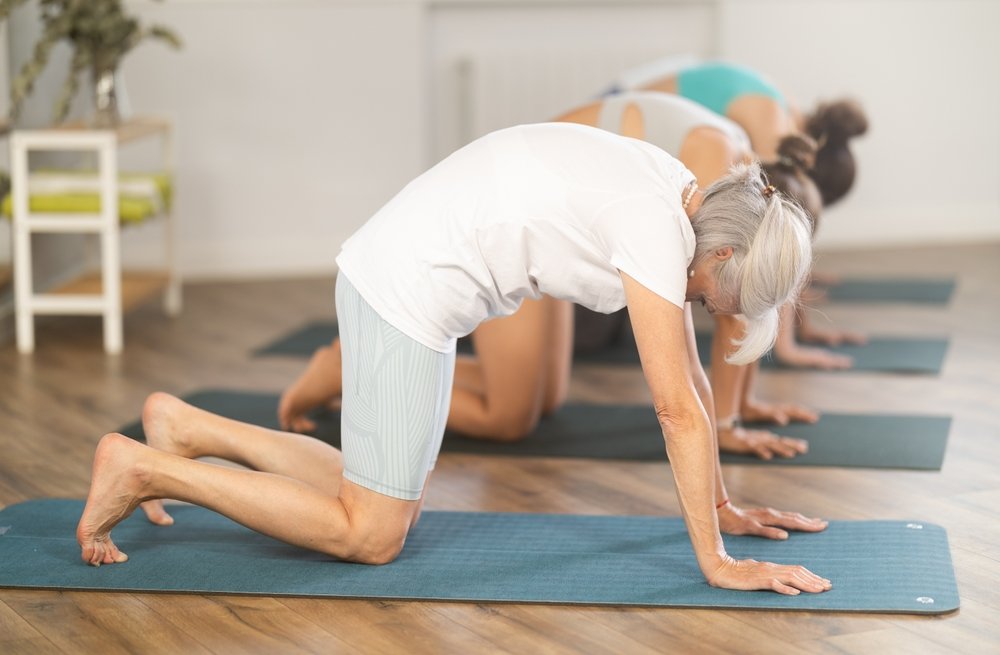
- Cat-Cow (1 minute): Warms up the spine and activates the core.
- Plank flow to down-dog (2 minutes): Strengthens shoulders, heats hamstrings, and activates core stability.
- Low Lunge Dynamic Swings (2 minutes total): Lunge into a low lunge, then forward and back, rocking softly to open the hip flexors and prepare the hamstrings (important to runners and jumpers).
2. 15-Minute Post-Workout Flush (Restorative)
This is your active recovery session, which is compulsory. Here, the target is to hold poses between 60 and 90 seconds to stimulate the deep tissue release mechanism and make your body begin repairing.
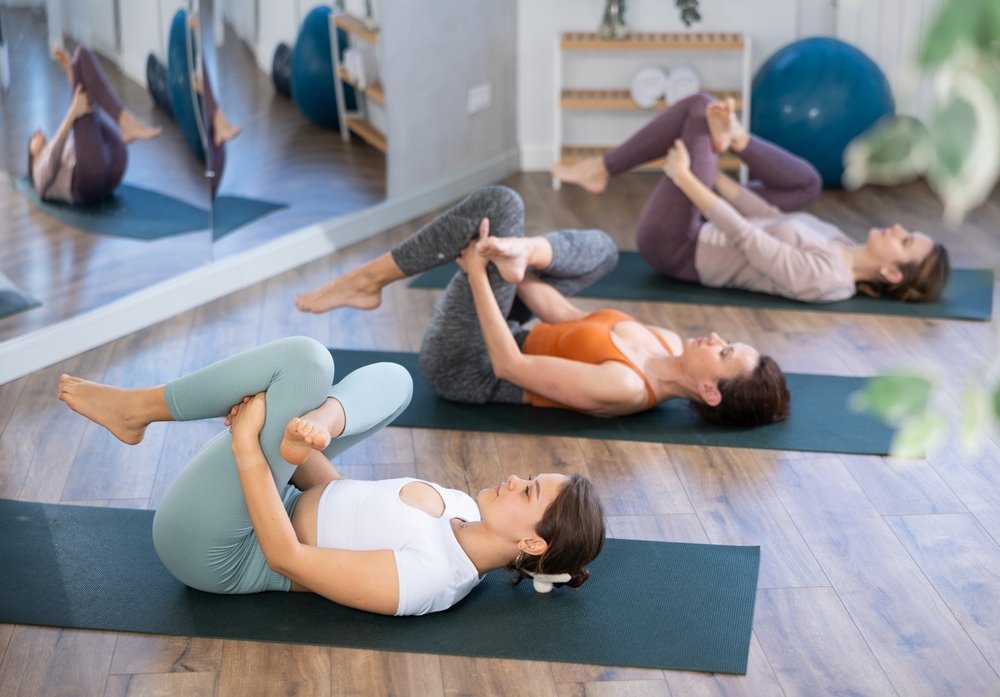
- Supine Twist (2 minutes each side): frees the lower back, butt, and IT band, and restores the spine in the wake of excessive weight or overuse of the same motion.
- Reclined Pigeon Pose (2 minutes each side): The final hip opener, the deep glutes and piriformis that are frequently the cause of knee pains and sciatica.
- Legs-Up-The-Wall (Viparita Karani) (5 minutes): The final position of rest. Causes reversed flow of blood, decreased swelling in the leg and feet, and relaxes the nervous system.
3. Yin Style Deep Release Rest Day Session.
Also Read: The Science of Auras and How Yoga Affects Your Energetic Field
On a real rest day, spend 30-45 minutes in intense, passive stretching. Here, you will focus on fascia and connective tissues to achieve deep changes in the longevity of athletic activity.
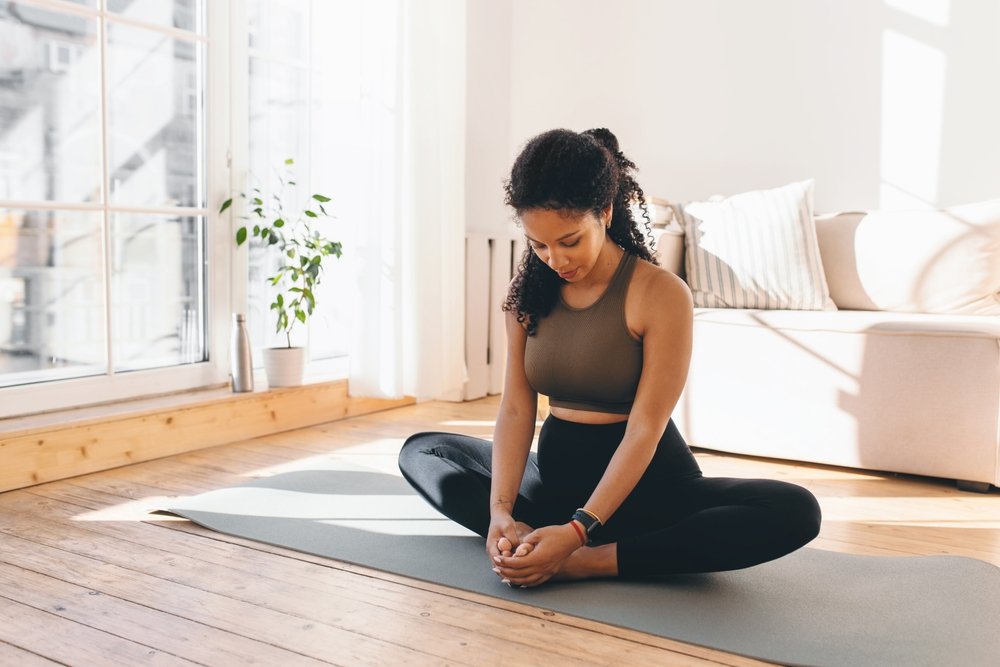
- Butterfly Pose (4 minutes): This is a pose that targets the inner thighs and the groin, which are both tight and prone to strain.
- Supported Bridge Pose (5 minutes): This is a light inversion that can be used to de-spinalize the spine and open up the chest, which is usually bent forward in cyclists or desk-dwelling athletes.
- Savasana (5 minutes): Yes, rest! Rest! Rest! This is where the physical labor is incorporated and the clarity of mind in the minds of the athletes really gets into place.
The Unsung Hero: Yoga Breathing (Pranayama) to Perform Better.
Also Read: Finding Your Center: Understanding Samadhi Beyond the Asanas
Yoga is not only stretching around but also about the breath. The art of breathing, or pranayama, is probably the best tool in terms of performance in sports and pressure control.
- Diaphragmatic Breathing: The trick to this technique is to learn to breathe into your belly (with your diaphragm). This gives better lung capacity, and the oxygen exchange is more effective. This translates to increased endurance and stamina in the course of competition.
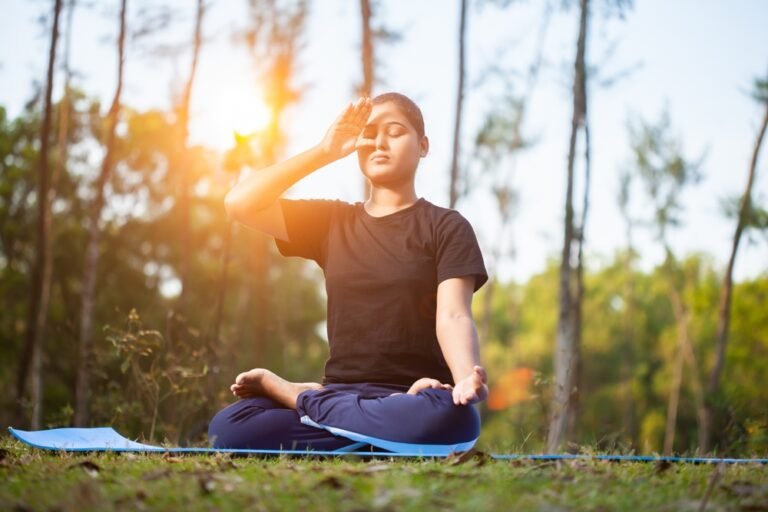
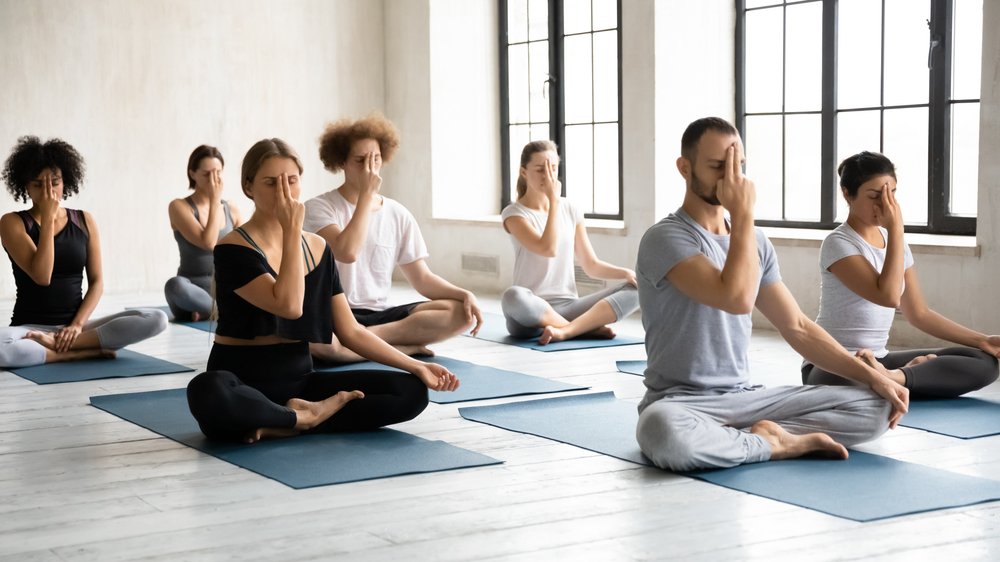
- Calm Before The Contest: The stress response goes down when employing simple methods such as ‘Nadi Shodhana’ (alternating nostril breathing) and extended, slow exhales. Through calming your stress response, you will now be more focused, grounded, and calm under pressure.
Your Long-term Secret Weapon
Yoga is not to be considered a replacement for your sports but rather a way to supplement your weaknesses, accelerate recovery time, and receive feedback from the subtle cues your body provides. Training with yoga will not only make you better prepared to compete by training more effectively but will also keep your body healthy and give it a longer life.
Using Yoga: There Is a Better Way; Provide Yourself with the Best Support Possible.