Can Silence Heal the Nervous System? Lessons from Mauna Retreats
Ever wonder about all of the noise we breathe every day? Our ears and minds are constantly filled with sound from the moment we wake up in the morning until we go to sleep at night, and scrolling through our phones in between. In this world, there is no rest. We listen to traffic, notifications, background music, and the constant loop of our own thinking.
However, if the healthiest thing we can do is to cut off from all the noise, what then?
Increasingly, we all feel overwhelmed, anxious, and extremely exhausted. Not merely mental fatigue; it’s our biological makeup screaming for a break. Let’s get into an ancient yogic custom now undergoing a huge resurgence for modern wellness, which is intentional silence, or mauna. In particular, we are going to discuss how a silent meditation retreat can help us get away from the chaos, calm our minds, and literally reshape our bodies’ response to stress. Let’s explore how to find peace within by stepping into the quiet.
Understanding Our Overloaded Nervous System
We should first be aware of what we are battling with before we get into the healing power of silence. We have an amazing system in our bodies, the autonomic nervous system. It comes in two modes, and they dictate our mood each day:
- Sympathetic Nervous System (The Gas Pedal): This is our “fight-or-flight” response. It is created to help save our lives when in danger. It activates a release of stress hormones such as cortisol and adrenaline, increases our heart rate, and enhances our senses.
- The Parasympathetic Nervous System (The Brake Pedal): Our “rest-and-digest” system or our “heal-and-regenerate” system. Once this system is in charge, our body will start to slow down our heart rate, our digestion will work well, and our body will heal on a cellular level.
The problem is our modern lifestyle keeps our foot on the gas. There’s a difference between a real physical threat and a stressful work email or the loud, crowded room, and the brain can’t always distinguish it. We are constantly inundated with sensory input and spend the bulk of our lives in a low-grade fight-or-flight scenario.
This continual stimulation drains us over time. This leaves us with poor sleep, brain fog, digestive problems, and chronic anxiety. We attempt to mend the tears with coffee and vacations or entertainment, but what we really need is far more basic: rock bottom.
So what is a Mauna Retreat?
Also Read: The Science of Auras and How Yoga Affects Your Energetic Field
Silence is not considered to be a lack of sound in the ancient tradition of yoga. Rather, it’s interpreted as a presence of some great level of consciousness. “Mauna” is the Sanskrit word for “vow of silence.” It is a sincere spiritual discipline of deliberately choosing not to speak, read, write, or communicate using gestures for a specific amount of time.
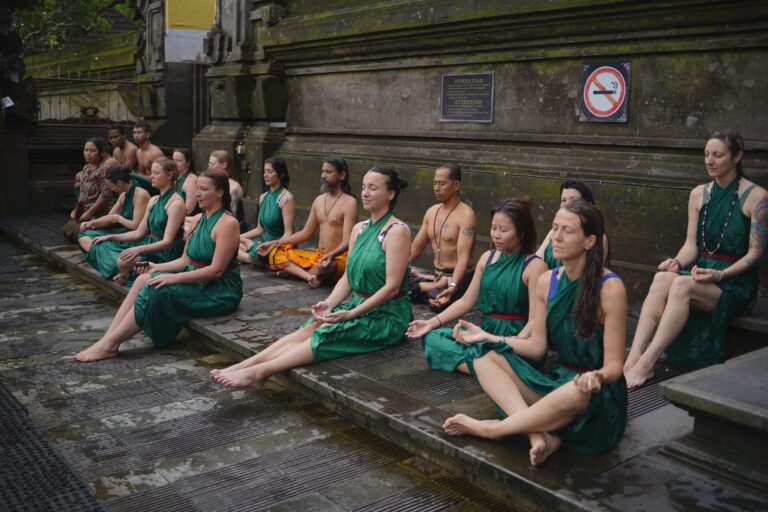
The peace we have to enjoy while taking part in a Mauna retreat is carefully created in a space of retreat. We got rid of our cell phones, powered off our laptops, and made it a point to be very quiet for a couple days. We don’t greet our neighbors with “good morning” in the morning; we don’t text our friends, and we don’t look for distractions.
This may seem like a very daunting task at first! When it comes to silence, many of us don’t feel comfortable, because we have to confront our own thoughts. But when we allow ourselves to get past that initial discomfort, something beautiful happens. We cease pushing our energy outwards and start to focus it inwards.
The Science of Silence: How Quietness Changes the Brain
The science of modern neuroscience makes it easy to brush aside the notion of silence as a quiet, calm idea when, in reality, it affects our physical biology.
According to a fascinating study in the journal Brain, Structure and Function, mice exposed to two hours of silence each day grew new cells in the hippocampus. It is the precise region of the brain that governs emotions, memory, and learning. To sum up, silence literally can grow your brain.
If we cease talking and listening to the outside world, we cease to activate our fight-or-flight system. In the body when we attain the deep quiet:
- Reduces stress hormones and cortisol and blood pressure: A study found that two minutes of silence is more relaxing than a relaxing piece of music and that cortisol and blood pressure levels both dropped.
- Supports immune system: With a parasympathetic state, the body is able to heal cells more efficiently, fighting off illness.
- Enhances Sleep Quality: Decreasing sensory input during the day helps to decrease hyper-arousal, which contributes to insomnia, so it promotes deeper, more restful sleep at night.
All for All: Lessons We Learn from Practicing Mauna
A silent meditation retreat is a place to experience peace and quiet and to hear the message, a place where we walk away with great insights that transform our lives. These are the largest lessons silence imparts:
1. We Realize How Much Energy We Waste on Speech
Consider the amount of energy that we use in our conversation daily. We come up with explanations, gripe, argue, gossip, and fill awkward pauses with talking around the subject. As we practice Mauna, we discover that a lot of our speech is superfluous. We are choosing not to use a tremendous amount of our mental and physical energy in order to be able to heal our body.
2. We observe without judgment the “monkey mind.”
Our internal world can be loud when the outside world goes quiet. This is called the “Chitta Vritti” in yoga, the mind’s fluctuations. When our mind is without distraction, we suddenly see clearly. We see our fears, thoughts, and opinions. In this way Mauna teaches us to observe our thoughts, instead of being overwhelmed by them. We discover that we need not respond to all the thoughts that come into us.
3. We Deepen Our Connection with Nature and the Present Moment
Our other senses get very keen without the hindrance of words. The wind starts to rustle in the leaves, the bird starts to sing, and we start to hear our breaths. We eat our food with our full attention and are not talking while eating. This is to promote awareness and to bring us right back to the here and now, the greatest antidote to anxiety.
How to apply the power of Mauna in everyday life

Also Read: Sattvic Foods for Mental Clarity: A Practical Guide
It is not necessary to travel to a far-away mountain retreat to get the healing power of silence; we can experience it right here, right now! Although a special getaway is great, there are also opportunities to spend some mana in our own homes.
While these practices can easily be incorporated into everyday life, spending uninterrupted time in a dedicated yogic environment often helps people build a lasting habit. Many participants of a 200 Hour Yoga Teacher Training in Bali discover that periods of intentional silence make meditation, breathwork, and self-awareness much more accessible, even after they return home.
Here are some great ways to easily fit intentional silence into a busy schedule:
- The Silent Morning Ritual: Take 30-60 minutes of silent time each morning. No checking your phone, reading the news, or listening to a podcast. You can drink tea or coffee, do a little light stretching, and let the nervous system gradually become activated without a rush of information.
- Have one night a week for Digital Fast: At 8:00 PM, shut down all screens. Enjoy the peacefulness of your home and follow it with a natural wind-down of your mind before going to sleep.
- Next time when you go for a walk in nature, leave the headphones. Don’t get the urge to listen to music or make a phone call to a friend. All you need to do is just walk, breathe, and observe what happens around you.
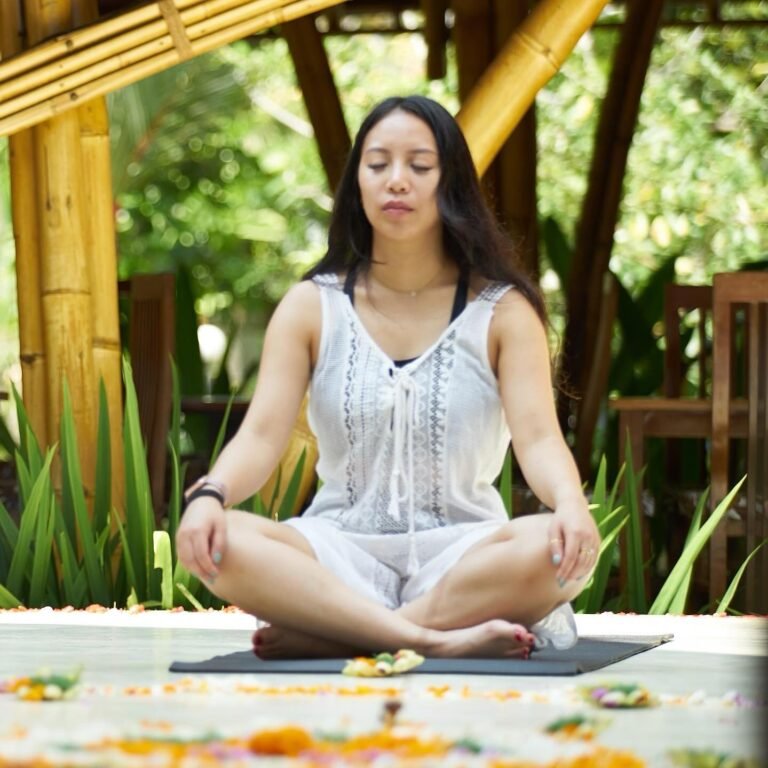
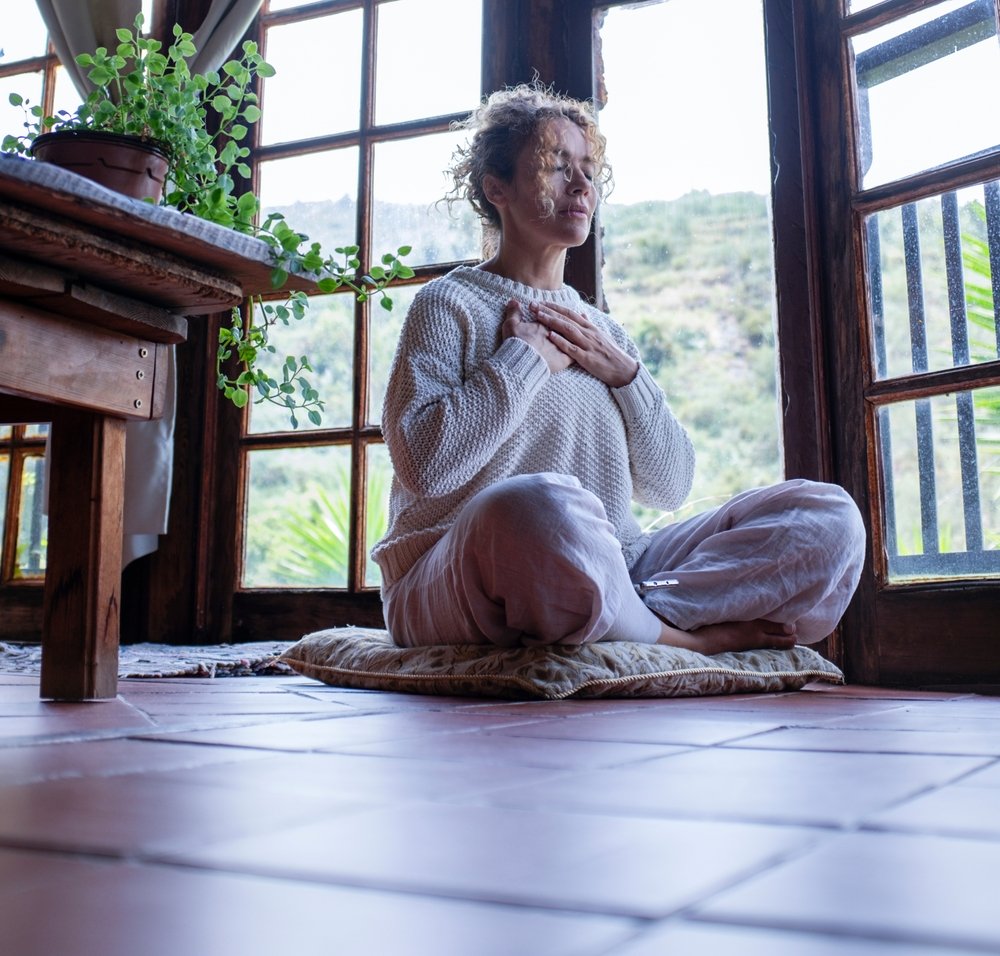
- Establish a 10-Minute Quiet Space: Have a quiet room where you sit for 10 minutes each afternoon. Shut your eyes, put your hand on your heart, and just concentrate on your breathing up and down. Use this time as a mini vacation for your brain.
Final Thoughts: Give Yourself the Gift of Quiet
Sometimes all we need to do to heal our nervous system is to leave it alone. At times, it’s what we remove.
The silence is not void of content but rather a potent remedy. In the practice of Mauna, we become quiet and provide the conditions our body requires for rest, repair, and recovery. Let’s try to get away from the noise, focus within ourselves, and allow the body to get a restful sleep.
At Maa Shakti Yog Bali, we view silence as an integral part of the yogic journey, alongside mindful movement, breathwork, and meditation. Whether practiced during a dedicated retreat or through small moments of quiet each day, Mauna reminds us that inner peace often begins when external noise fades.
Looking for additional techniques for relaxing and balancing your mind? This journey, let’s keep going together!