The Energetics of Spine Alignment in Yogic Practice
Ever experienced how you feel after sitting for a few minutes with your back straight and breathing deeply? A bit clearer, lighter, and a bit awake. It’s not only in our minds. In yoga, we believe the spine is much more than a stack of bones. It is the principal conduit of our life force. Today, we will cross the energetics of spine alignment in yogic practice in simple words so that we could make more ease, strength, and awareness in our yogic mat and in our daily life.
Then let’s get started with a cup of tea.
What is yoga spine alignment?
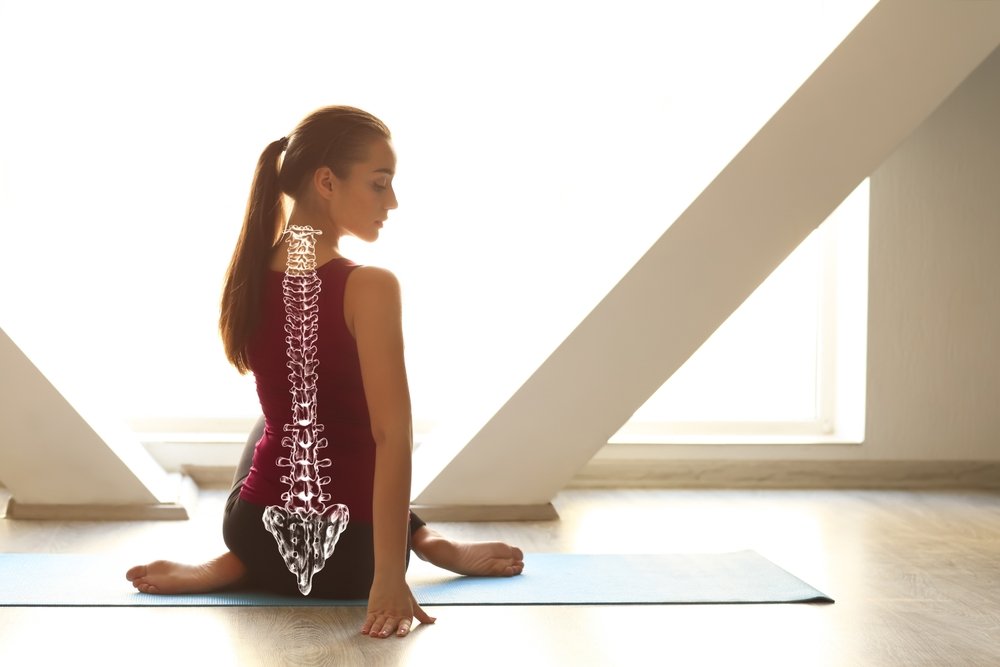
In yoga, we refer to the alignment of the spine as the practice of keeping the spine in its natural curves as we move, bend, twist, and sit still. It doesn’t mean straightening the back. The back should be curved, and good alignment is just respecting the curves of a healthy spine.
Physically, the right alignment of the yoga postures helps to prevent the discs from getting damaged, balances the muscles, and redistributes the load among the joints. On a yogic level it does something deeper: it keeps the energy paths open. When the spine is aligned, the body is a “clear pipe” rather than a “kinked garden hose.”
The Energetics of the Spine: Prana, Nadis, and Sushumna.
If we wish to grasp the energetics of the spine, we must encounter three ideas of the yogi tradition.
The vital life force that circulates throughout all that is alive is Prana. We absorb it through breathing, eating, sun, and even through friends.
The nadis are subtle channels through which prana flows. According to the traditional texts, there are thousands of these, but here we are concerned with three of them.
- Ida Nadi is on the left side and connected with the lunar, calm, and cooling energy.
- Pingala nadi is located on the right side and connected with active, warming, and solar energy.
- Sushumna nadi is the main channel that passes through the spine from the base to the crown of the head.
It’s in the sushumna where the magic happens to be. If the body is hunched, twisted, or tight, we can imagine that this central channel might become constricted or closed. A long, open spine allows for the rising of prana. If we perceive this literally or metaphorically, we find that we sit and move more grounded with this longer spine.
Understanding these subtle energy channels adds another dimension to yoga beyond physical postures. Such traditional concepts are also explored in yoga philosophy and teacher training discussions, including those associated with Maa Shakti Yog Bali.
The spinal column and the Chakras.
Also Read: Spiritual Awakening vs. Emotional Healing: Understanding the Difference
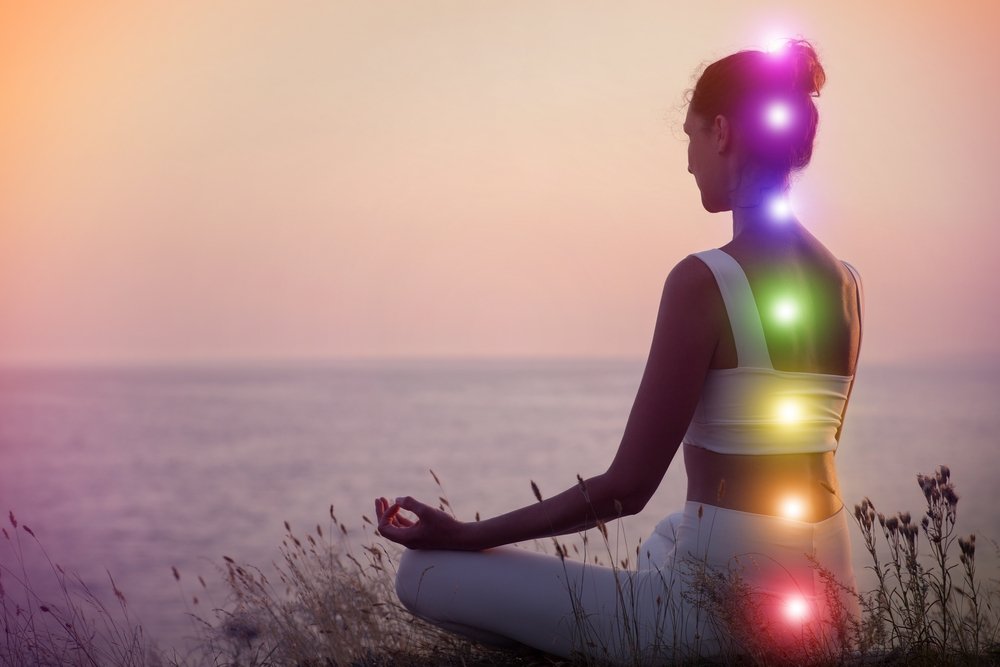
The chakras and spine position are related. The chakras are energy centers that are located on the sushumna like beads on a string. The beads will not be aligned if the string is bent.
We may feel heavy-hearted on collapsing the chest. Pelvis tucking and lower back locking can cause some confusion or a feeling of getting stuck. It is the teachers’ job to remind us to “lift through the crown of our head” because small changes in alignment can change our perception of ourselves.
The benefits of proper spine alignment in yoga.
The value of good posture is reflected in a variety of ways. These are the ones we hear the most about:
- Better breathing. An open, longened spine allows the ribs and diaphragm to move freely, facilitating further pranayama.
- Improved posture off the mat. The more we practice, the more we remember.
- Steadier focus. Being tall makes the mind alert and relaxed.
- An even energy system. A happy spine makes a quieter and more resilient body, as the spinal cord is in the spine.
- A feeling of buoyancy and liveliness. This is probably the most exciting reward that people enjoy most.
The Four Natural Curves: Find a neutral spine
In order to realign the spine, we must first understand what it means to be aligned. There are four natural curves on a neutral spine:
- Gently curved, or curved inwards, neck.
- Upper back (thoracic) curve: gently curves outward.
- A lower back curve that is gently inwards.
- Slightly curved from the base, the sacral curve is curved outward.
If you are sitting, here’s a simple way to find it:
- Sit on the edge of the folded blanket, hips slightly higher than knees.
- Squeeze into the sitting bones.
- Stretching upward from the crown of the head just like a thread tugging upward.
- Relax shoulders away from ears and soften front ribs.
- The head should be level, and the back of the neck should be long.
We should be tall and not stiff. When the breath is easy, we’re on the right track.
Yoga poses and spine alignment.
Let’s take a look at how we can achieve the yoga posture alignment of the spine in some familiar postures.
- Mountain Pose (Tadasana). Keep your feet flat on the floor and distribute your weight evenly. Place ribs on top of hips, and head on top of ribs. Imagine that you’re growing taller from the bottom. All other poses are based on this one.
- Cat-Cow (Marjaryasana-Bitilasana). This one teaches us how to go through all the curves of the spine. Slowly we move from tailbone to head, guided by the breath. An attractive way to open the main channel.
- Downwards Dog (Adho Mukha Svanasana). If we need to, bend our knees so the spine will remain long rather than rounded. Downward, press the floor away, and press the tailbone towards the sky.
- Seated forward bend (Paschimottanasana). Go from the hips, not the waist! Leading with the chest, maintain a long spine, and only go as far as possible without rounding hard.
- Seated Twist (Ardha Matsyendrasana). When we turn, we stretch. Then we turn on the spine, not from the shoulders, in a spiral staircase fashion. Twist is best set up if the body spine is extended first.
- Upward Dog and Cobra. Lift up from the chest and spread the curve throughout the entire spine, rather than in the low back.
Pranayama and Meditation: Sitting Tall for Energy Flow
Also Read: Mudras and Their Benefits in Yoga
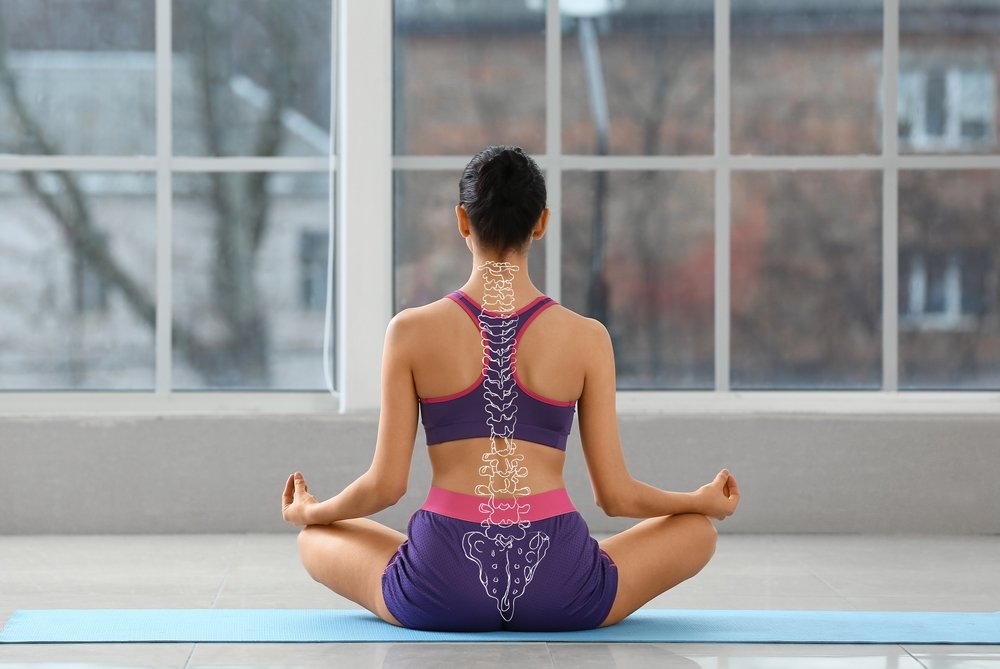
Posture is all that matters in pranayama and in the alignment of the spine. A tall spine allows the freedom of movement of the diaphragm and facilitates overall balance of ida and pingala when practicing breathing techniques such as alternate nostril breathing. A long spine is useful to us during meditation, as it keeps us awake and peaceful.
If sitting on the floor is not comfortable, we can sit on a chair, bolster, or wall for support. There’s no such thing as comfort that is cheating. It’s better to have a supported and aligned spine than a strained one.
Learning how posture, breathing, and meditation work together is an important part of developing a consistent yoga practice. These subjects are also valuable areas of exploration during a 200 Hour Yoga Teacher Training in Bali
Common errors in spine alignment and how to correct.
We can all do these things from time to time, so be kind to yourself:
- Overarching the lower back. Pull lower ribs gently towards each other and engage the core.
- When sitting, rounding the upper back. Lift hips using the blanket or block.
- Raising the chin forwards. Extend back of the neck and maintain eye level.
- To pose the “look” position. Utilize props and bend the knees. A pose should take care of the spine and not the other way round.
- Holding the breath. When the breath ceases, the energy ceases. Let the breath be our guide on how far we go.
A simple daily practice to activate the energy in your spine.
One thing we can do each morning is the following routine, even on busy days:
- Each section of the spine will receive three minutes of Cat-Cow.
- One minute of Mountain Pose to help establish a neutral and stacked posture.
- Take five slow in-and-out breaths while sitting with a twist on each side.
- Seated breathing with tall spine, visualizing a glowing line of light rising from the base to the crown for 3-5 minutes.
It only takes a matter of minutes and, over time, can alter the way we move our bodies throughout the day.
Conclusions about Spine Alignment and Yogic Energy
In yogic practice, the alignment of the spine is one of the energetics reminders that how we stand is important, not just for the body but for the mind and spirit as well. A long, balanced, and supported spine provides more space for prana to flow and allows chakras to feel stacked and clear, while making every breath a bit fuller.
Perfect poses are not required! Curiosity, patience, and listening to the body are required. Begin gently, feel the alignment, and allow the practice to flow. Before experimenting with new postures, please consult a doctor or experienced yoga instructor if you experience any back injuries or concerns.
We would be interested to know how your spine practice is going! Give it a try and write about it in the comments and come back for the next blog; we continue to explore the beautiful world of yoga together.