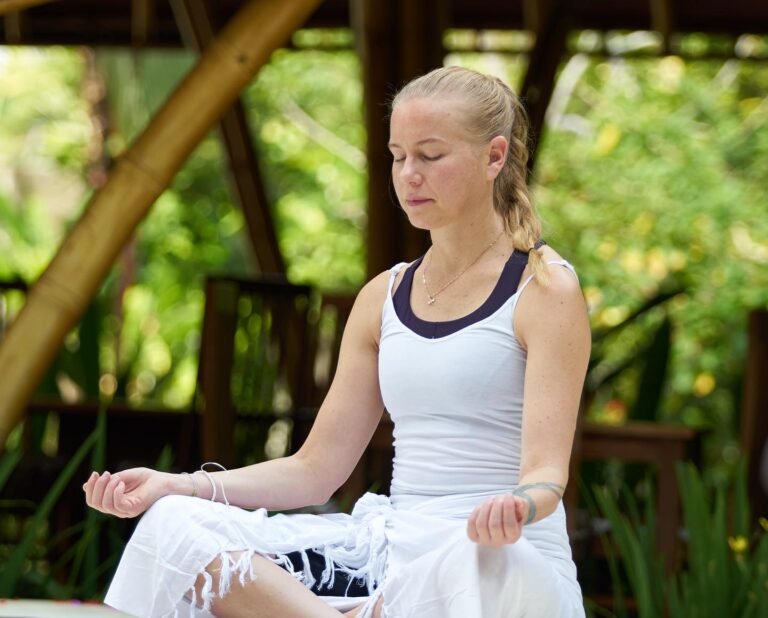
Yoga and the Fear of Silence: What Emerges When Distractions Fade
A time when everything is still and silent seems like a luxury in our busy life. We get our wake-up calls on the loudest alarm, listen to podcasts on our way to work, wear noise-canceling headphones when working in noisy environments, and spend hours scrolling endlessly through social media at the end of the day.
What about when we MAKE THE EFFORT to get away from it ALL? A quiet space does not automatically lead to a peaceful feeling for many of us; it leads to discomfort. This reaction is perfectly natural, and the knowledge of yoga and the fear of silence can help us to make it through what transpires when the distractions go away.
As we sit on our yoga mats, close our eyes, and listen to the external world slow down, our inner world can up the ante. Let’s learn more about why silence can be so frightening, what really happens when we enter into the silence of our daily lives, and how we can create deep inner silence by practicing yoga.
Do you know the fear of silence is very closely linked with yoga?
First, we need to consider how our lives are organized today in order to understand why quiet moments are so strong. We live in a world where we receive inputs often, and mostly sensory ones that include some kind of sensation. Most of our conscious lives are filled with notifications, music, news, and background chatter. As time goes on, our brains become accustomed to constant stimulation.
We choose to disconnect from those outside the system when we come onto the mat. The shift from a noisier to a quieter space can evoke a mild sense of discomfort or unease in a person as we settle into our quiet poses.
This is why our initial practice is often, and should be, meditation and silence.
Yoga and fear go hand in hand at the beginning:
- Loss of Distraction: When the noise is continuous, we are unable to confront the aftereffects of stress, unresolved emotions, or lingering thoughts.
- Mind’s Overreactiveness: When the world is at an absolute hush, we hear our thoughts much louder, and this is the time to pay attention.
- Restlessness that comes with conditions: The nervous system becomes accustomed to a highly energized state and is constantly fed, and thus, rest may be unsettling at first.
Silence in yoga is not just the complete lack of sound but is also a powerful instrument for self-discovery. Knowing that we are in opposition to peace is the first step towards establishing peace in our minds.
What emerges when distractions fade is a vision of the future?

Also Read: The Science of Auras and How Yoga Affects Your Energetic Field
So what does it look like when we remove the “noise” of everyday life? Distractions recede and we are left alone with ourselves. This may seem daunting initially, but it’s also the point where personal development truly starts.
Our minds and bodies naturally progress in the few simple steps as we leave the noisy world and enter into the quiet yoga practice:
- First Discomfort: Awareness of external noises and other distractions is most of the time eliminated, usually bringing a fresh discomfort of restlessness or a swirling mind.
- We begin to settle through breathing: As we are attentive to gentle movement, breath, and patience, the mental noise starts to fade.
- Elevated levels of stored stress: When we don’t have a daily distraction to keep us busy, we experience emotions and physical tension that come to the surface so that we can release them.
- We finally have our inner clarity: When the noise stops, we have access to deep mental clarity, intuitive insights, and true inner peace.
When the room goes silent, there are a few different layers of our experience that begin to emerge:
1. Unprocessed Emotions & Stress
We tend to forget to attend to our small fears, irritations, or concerns during the day. During a yoga session, when we slow down, those feelings come to the surface of us, naturally. When you sit in poses in a quiet room, it’s normal to have a sudden impatience, sadness, or restlessness.
2. Heightened Physical Awareness
When you’re not distracted by phone screens or phone calls, you’re in tune with your body. We start to become aware of how we hold physical tension, such as in the shoulders, jaw, or shallow breathing. This body awareness is vital to true physical healing.
3. Mental clarity, creative insights
After the first wave of mental chatter dies down, something great happens. When distractions are dropped, there is an opportunity for clarity, for intuitive problem-solving, and to hear what ideas were lost in the noise of the day.
Finding comfort where there is discomfort: Mindful Yoga Practice to Break the Silence
Overcoming our reluctance toward quiet moments doesn’t mean forcing our minds to be completely blank. Rather, it is the change in response when there is a silence. Below are some ways we can use yoga to help make silence feel safe, grounded, and refreshing.
Concentrate on breathing exercises (Pranayama).
When there is total silence, we can use our breath as our natural way of being grounded. Practices such as ocean breathing (Ujjayi breathing) provide the mind with a calm and relaxing rhythm to concentrate on. Quiet breathing helps us stay present and grounded, without needing to hear other sounds.
Select a grounding yoga pose.
Some postures allow them to be more relaxed and make relaxed moments more comfortable. Gentle forward bends or a floor-rest type pose to calm the nervous system:
| Yoga Pose | How It Helps with Quietness |
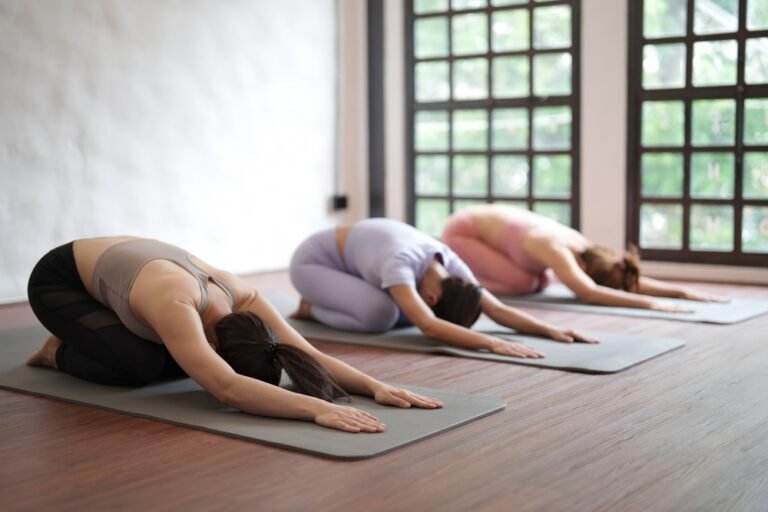
| Child’s Pose (Balasana) | Draws our senses inward and creates a cozy, safe feeling. |
| Legs-Up-the-Wall (Viparita Karani) | Relieves physical fatigue and calms an overactive nervous system. |
| Supported Bridge Pose | Opens the chest while grounding the feet and hips securely. |
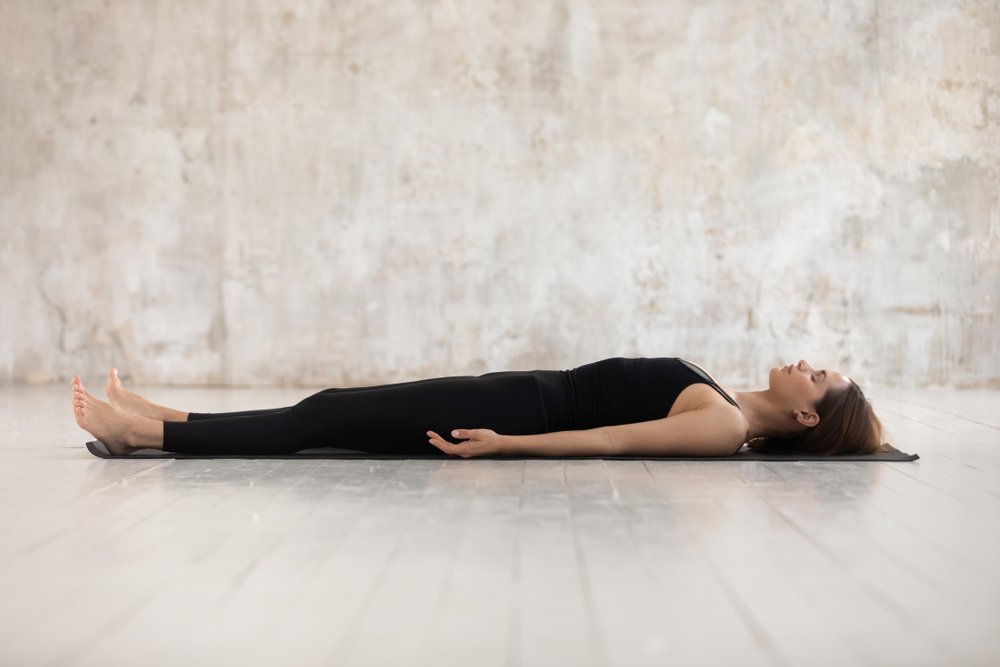
| Corpse Pose (Savasana) | Offers complete rest, allowing us to absorb the benefits of our practice. |
Practice Soft Focus
We can learn to be nonjudgmental observers of our thoughts, rather than fighting them or getting upset when our mind wanders in quiet moments. Just like clouds drifting through a wide sky, we observe them drifting by, and we bring our attention back to our body and breath.
Embracing Savasana: Finding Comfort in Final Relaxation
Also Read: Sattvic Foods for Mental Clarity: A Practical Guide
Yoga and silence are not afraid of each other more than Savasana (Corpse Pose) is. The most difficult part of class for many practitioners is lying completely still on the mat at the end of class.
When the teacher pauses, you can see yourself getting a feeling to fidget or check your watch, or you can think about what you need to do. However, the great physical and mental benefits that our practice bestows find their home in Savasana. This deeper relationship with stillness is also an important part of how yoga is understood through traditional teachings and practices associated with schools such as Maa Shakti Yog Bali.
In the time that we spend in Savasana: To cultivate a healthier relationship with silence:
- Note the restlessness: When you feel restless, note the feeling, but do not immediately take action to satisfy it. Instead, take a deep and slow breath.
- Physical props: A folded blanket over the belly or an eye pillow that gives comforting grounding pressure can help to soothe a fidgety body.
- Remind yourself that rest is productive: Rest doesn’t need to be wasted time; it’s a necessary time-out for the mind and body.
Applying the principles of yoga in everyday life.
Yoga is much more than just yoga on the mat. The ability to sit quietly during lessons allows us to deal with noisy, unpredictable situations in our daily lives. For those who want to develop a deeper understanding of these practices, a 100 hour yoga teacher training in Bali can offer a more structured way to explore yoga, meditation, breathwork, and mindfulness.
By creating comfort with quietness through yoga, we start to see positive changes in our day:
- Greater emotional balance: Daily stressors are not such a big deal when we have been training ourselves to be calmer in quiet times.
- More Focus: Cutting all of the digital noise helps us to focus better and become more productive at our jobs or in our schools.
- Better Sleep: Falling asleep to constant noise is difficult, and better sleep is made easier.
Start small. Set aside 5 minutes each morning to sit with your morning cup of tea or coffee without using your cell phone, checking the news, or playing music. Listen to the sounds around you, feel your breath and enjoy a quiet beginning to the day.
Conclusion: Finding Strength in Stillness
Yoga and the fear of silence teach us that silence is not a bad thing to be; rather, it is a place full of self-awareness, healing, and peace. It can be uncomfortable at first without daily distractions, but in the process of practicing yoga, we begin to see that this is our true self, our authentic self.
When you roll your mat and the room is still the next time, take a deep breath. So we can easily say that you can find your inner peace when you surrender yourself to the silence. But it’s not just that; you have to be present during the process not only physically but mentally and spiritually, and this way you will be able to find the ultimate calm that lies beneath all the noise that surrounds you and your mind.